
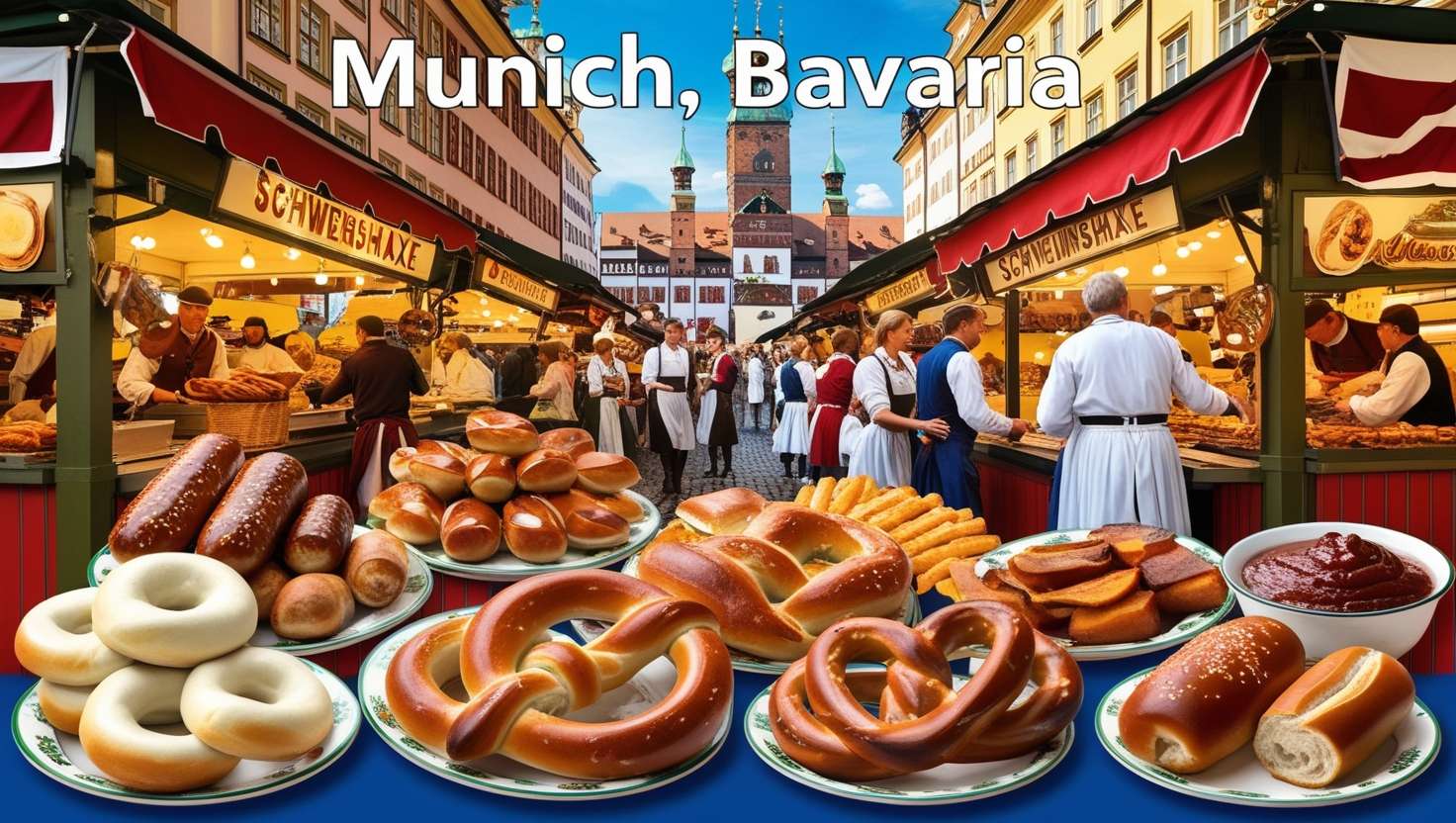
Germany’s Culinary Map: Must-Try Regional Dishes & Where to Find Them

Table of Contents
ToggleIntroduction: A Tasty Tour of Germany’s Regional Foods
When you think of German food, what comes to mind? Maybe sausages, pretzels, or a big mug of beer? While those are definitely part of Germany’s food culture, there’s so much more to discover! From the salty seaside dishes in the north to the cheesy, meaty meals of the south, every region in Germany has its own special flavors and traditions.
Germany’s food is shaped by its history and geography. In the north, close to the ocean, you’ll find lots of seafood and pickled treats. In the east, bold spices and simple cooking show how people used what they had to make amazing meals. Down south in Bavaria, rich sauces, sausages, and dumplings keep people full and happy, while in the west, hearty roasts and tangy drinks are a big hit. Central Germany is all about comfort food, like warm apple desserts and tasty baked goods.
Food in Germany isn’t just something you eat, it’s part of the culture. Special dishes bring people together for big celebrations, like the famous Oktoberfest in Bavaria or the winter Christmas markets where you can find sweet Stollen and hot mulled wine. In the north, there’s even a fun tradition called Grünkohlwanderung, where people eat kale and take walks together!
This guide is here to help you explore the delicious foods of Germany’s different regions. You’ll learn about the must-try dishes, where to find them, and maybe even how to make them at home. Whether you’re planning a trip to Germany or just curious about the food, this guide will give you a taste of everything that makes German cuisine so special.
Let’s dive in and see what’s cooking across Germany!
III. Regional Culinary Delights
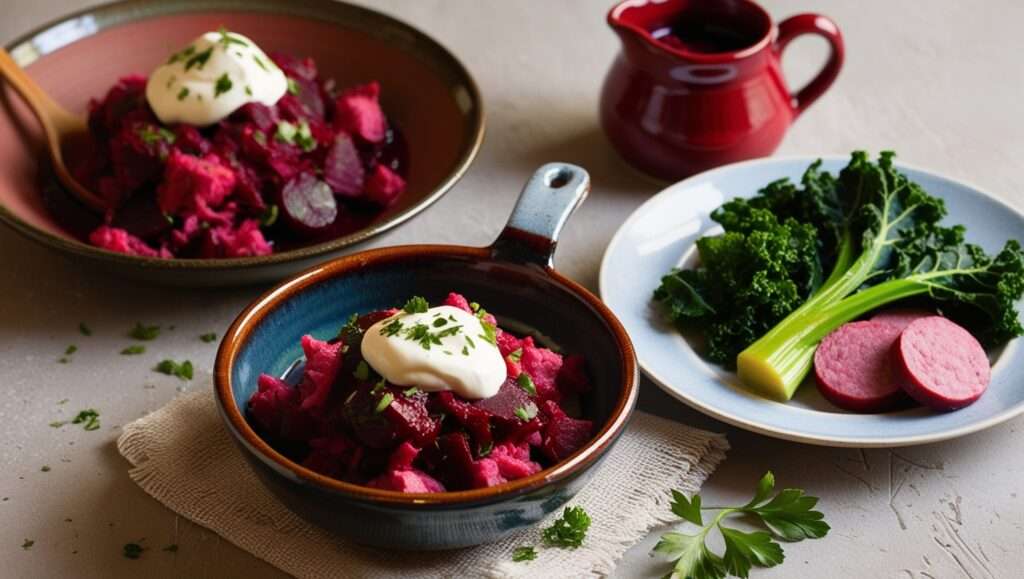
A. Northern Germany: Coastal Flavors and Hearty Fare
Labskaus
Labskaus is a quirky dish that’s both hearty and delicious! It originated in Northern Germany, especially around Hamburg, as a sailor’s meal. Made with corned beef, potatoes, onions, and beetroot, it’s often topped with a fried egg, pickles, and sometimes even herring. If you’re in Hamburg or Bremen, look for restaurants serving traditional Northern German cuisine to try this flavorful mix. (Keywords: Labskaus recipe, Northern German food, Hamburg food)
Grünkohl mit Pinkel
This dish is a winter favorite in Bremen and Lower Saxony. It’s a hearty combination of curly kale (Grünkohl), smoked sausage (Pinkel), and potatoes. The kale is usually stewed with onions and bacon, making it super flavorful. You’ll find it on menus in cozy taverns during the colder months. (Keywords: Grünkohl recipe, Bremen cuisine, Lower Saxony food)
Rote Grütze
Rote Grütze is a dessert that’s both tangy and sweet, made with red berries like cherries, raspberries, and currants. It’s thickened with cornstarch and often served with vanilla sauce or whipped cream. Originally from Northern Germany, this treat is popular all over the country. Try it at bakeries or traditional German restaurants. (Keywords: Rote Grütze recipe, German berry dessert)
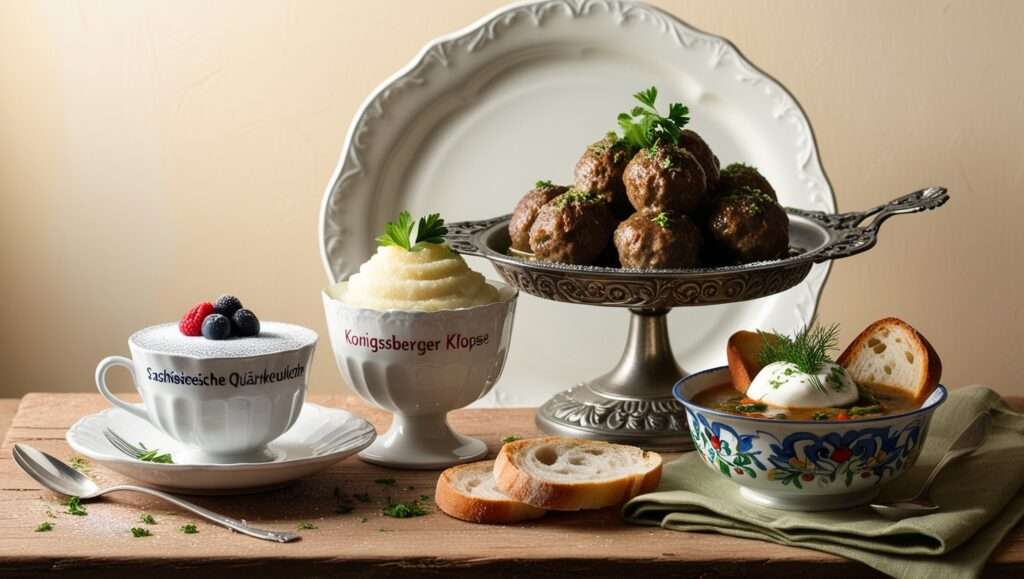
B. Eastern Germany: Rustic Charm and Hearty Flavors
Sächsische Quarkkeulchen
These sweet potato pancakes are a Saxon specialty. Made with potatoes, quark (a creamy cheese), eggs, and flour, they’re lightly fried and served with applesauce or sugar. You’ll find them in Saxony’s bakeries and cafes. They’re perfect for breakfast or dessert!
Königsberger Klopse
Named after the city of Königsberg, this dish features meatballs in a creamy, tangy caper sauce. The meatballs are made with a mix of beef and pork, and the sauce’s unique flavor comes from lemon and capers. Though its origins are in East Prussia, you can enjoy it in Eastern German restaurants today.
Soljanka
A soup with Eastern European roots, Soljanka became popular in East Germany. It’s a hearty mix of pickled cucumbers, sausages, tomatoes, and sour cream, creating a unique sweet-and-sour flavor. Look for it in traditional pubs across the region.
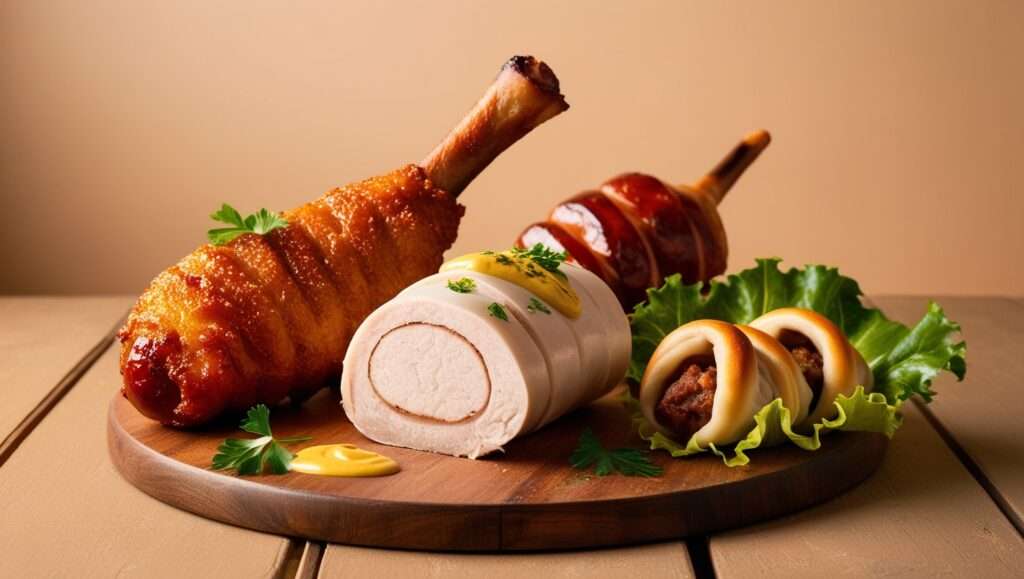
C. Southern Germany: Bavarian and Swabian Traditions
Weißwurst
Weißwurst is a Bavarian breakfast sausage made from veal and pork, flavored with parsley and lemon. It’s boiled, not grilled, and traditionally eaten with pretzels and sweet mustard. Head to Munich or any Bavarian beer garden for the most authentic experience.
Schweinshaxe
This roasted pork knuckle is a Bavarian favorite. The skin is crispy, the meat tender, and it’s often served with sauerkraut and potato dumplings. You can enjoy this hearty dish in beer halls and traditional Bavarian restaurants.
Maultaschen
Known as German ravioli, Maultaschen are stuffed pasta pockets filled with meat, spinach, and spices. This Swabian specialty is served in broth, pan-fried, or baked. You’ll find it in southern Germany, especially in Swabian restaurants.
D. Western Germany: Rich and Aromatic Cuisines
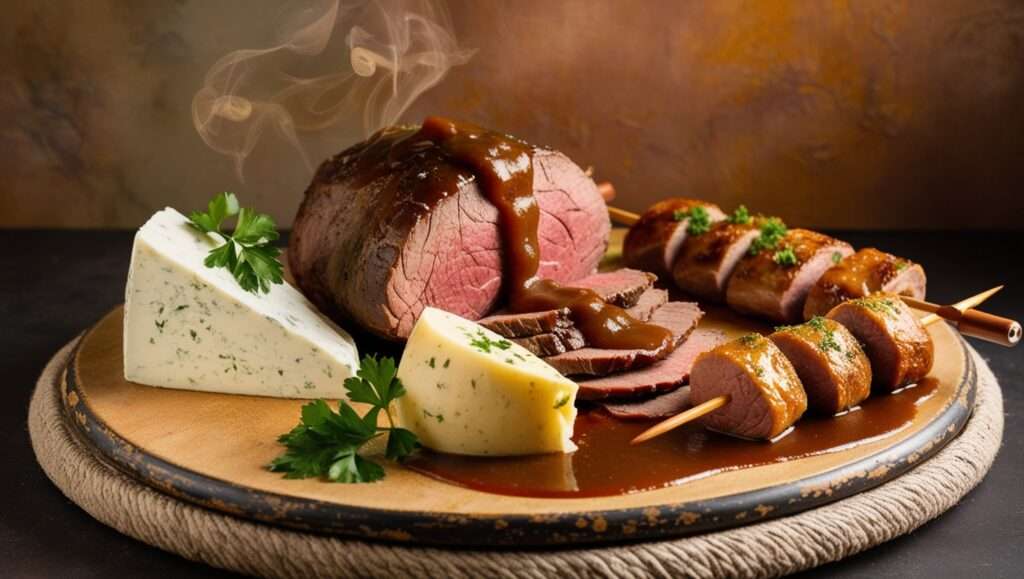
Sauerbraten
Sauerbraten is a pot roast marinated in vinegar, wine, and spices before being slow-cooked. It’s a traditional Sunday dish in the Rhineland, served with red cabbage and potato dumplings. You’ll find it in cozy, family-run restaurants.
Handkäs mit Musik
This Hessian specialty is a tangy cheese served with onions, vinegar, and oil, often paired with bread and apple wine. The “musik” refers to the sound your stomach might make after eating it! Try it in Frankfurt’s traditional taverns.
Spießbraten
A Rhineland-Palatinate favorite, Spießbraten is spit-roasted pork marinated in onions and spices. The meat is juicy and flavorful, often served with potatoes and salad. Look for it at local festivals or traditional German restaurants.
E. Central Germany: Traditional Comfort Food
Thüringer Rostbratwurst
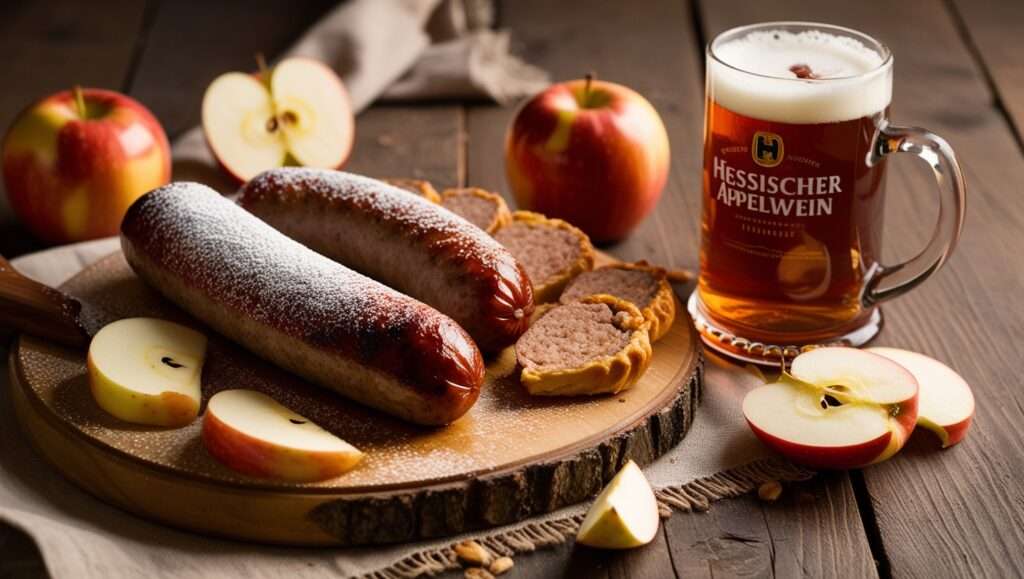
This sausage from Thuringia is legendary! Made with pork, marjoram, and garlic, it’s grilled over an open flame and served in a bun with mustard. You’ll find it at markets, festivals, and street stands throughout Central Germany.
Schmandkuchen
This creamy sour cream cake is a Central German dessert you can’t miss. It has a flaky crust and a rich, custardy topping made with Schmand (sour cream). Try it at local bakeries for a sweet treat!
Hessischer Apfelwein
Hessian apple wine, or “Ebbelwoi,” is a refreshing cider made from local apples. It’s slightly tart and best enjoyed in traditional cider houses in Frankfurt and surrounding areas. Pair it with Handkäs mit Musik for the full Hessian experience.
IV. Seasonal Specialties: Germany's Culinary Calendar
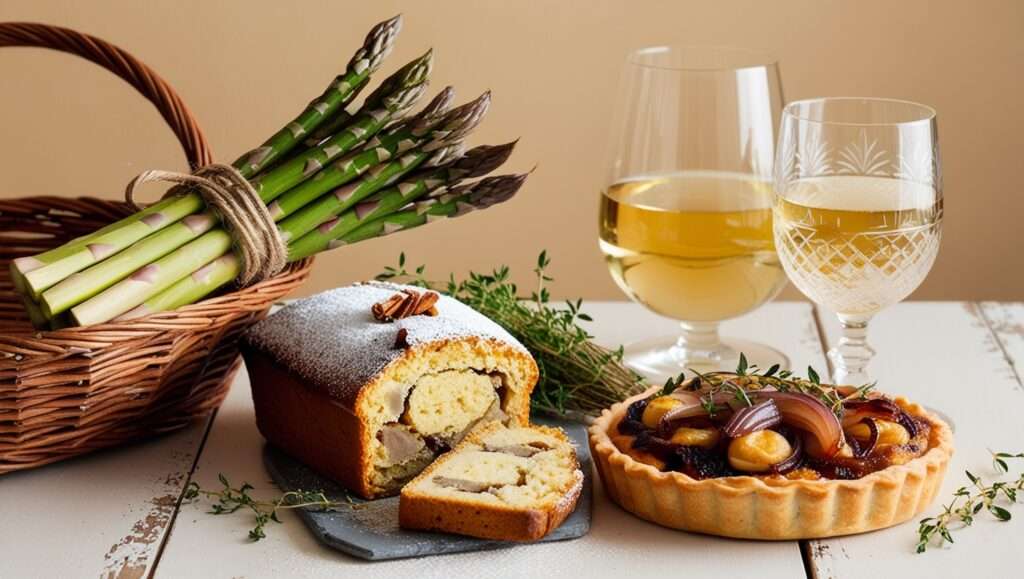
Germany’s food traditions change with the seasons, offering unique dishes that highlight the freshest ingredients and celebrate special times of the year. Let’s take a closer look at these delicious seasonal treats!
Spargelzeit (Asparagus Season)
Spargelzeit, or asparagus season, is a big deal in Germany! It usually happens from April to June, when white asparagus (called weißer Spargel) is harvested. Germans love their Spargel and use it in many dishes, like creamy soups, salads, or served simply with boiled potatoes, ham, and hollandaise sauce. Some people even call white asparagus “white gold” because it’s so prized. You can find Spargel dishes in restaurants all over the country during spring, especially in rural areas known for farming.
Stollen (Christmas)
When it’s Christmastime in Germany, Stollen is a must-have treat. This sweet bread-like cake is filled with dried fruits, nuts, and spices, and often dusted with powdered sugar to look like snow. It’s been a holiday favorite for centuries and is traditionally enjoyed during Advent. The city of Dresden is famous for its Dresdner Stollen, which you can buy at Christmas markets or bakeries. Stollen is more than just dessert, it’s a symbol of festive joy and warmth.
German Christmas markets are the perfect place to enjoy Stollen, a sweet, fruit-filled cake that’s a holiday favorite. For more festive food traditions from around the world, check out our guide to Explore Holiday Cuisine: Festive Food from Around the World.
Federweißer and Zwiebelkuchen (Autumn)
Autumn in Germany brings the perfect pairing: Federweißer and Zwiebelkuchen. Federweißer is a young, slightly fizzy wine made from freshly pressed grape juice, and it’s only available during the fall harvest. It goes wonderfully with Zwiebelkuchen, a savory onion tart made with onions, cream, and bacon on a thin dough base. Together, they’re a popular snack at wine festivals in regions like the Rhine Valley and Baden-Württemberg. If you visit Germany in autumn, this combo is a must-try!
These seasonal specialties aren’t just about food, they’re part of Germany’s culture and traditions, making every season a little tastier!
V. Experiencing German Cuisine: Markets, Tours & Restaurants
Germany has so many amazing ways to explore its delicious food! From lively markets to exciting culinary tours and incredible restaurants, there’s something for everyone. Let’s dive into how you can taste the best of German cuisine.
Food Markets
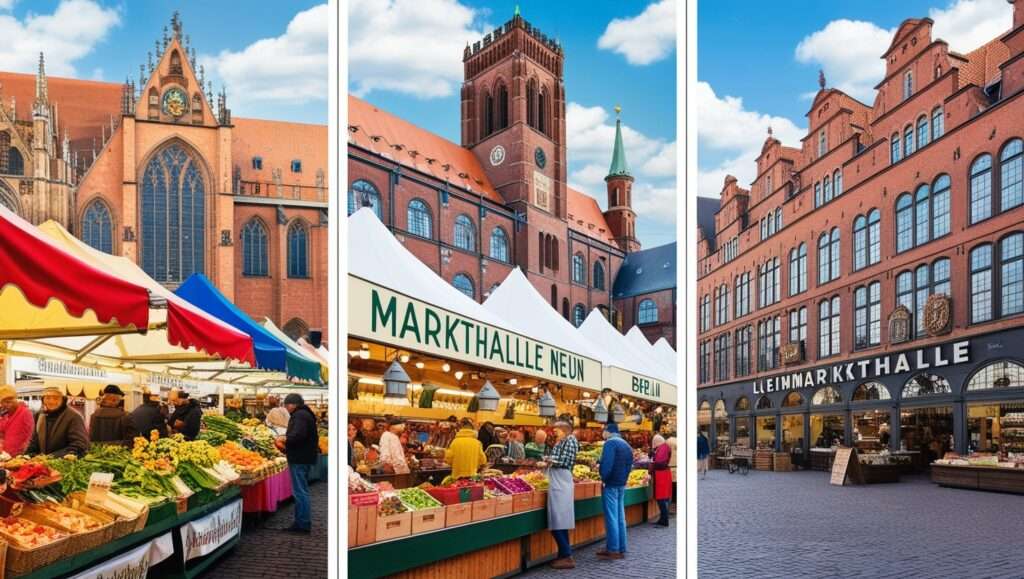
Food markets are the perfect place to experience fresh ingredients and local flavors. Here are some must-visit markets:
- Viktualienmarkt (Munich): This famous market in Munich is full of fresh produce, sausages, cheese, and baked goods. You can grab a snack and enjoy it in the nearby beer garden.
- Markthalle Neun (Berlin): A trendy indoor market where you’ll find street food, local specialties, and even food festivals. Thursdays are great for street food night!
- Kleinmarkthalle (Frankfurt): This indoor market has over 60 stalls selling everything from fresh bread to exotic spices. Don’t forget to try some local Apfelwein (apple wine) while you’re there.
Want to savor festive treats like roasted nuts and mulled wine? Germany’s Christmas markets are a must-visit. Explore more about the best markets across Europe in our guide to Europe’s Best Christmas Markets: A Comprehensive Guide to Holiday Traditions.
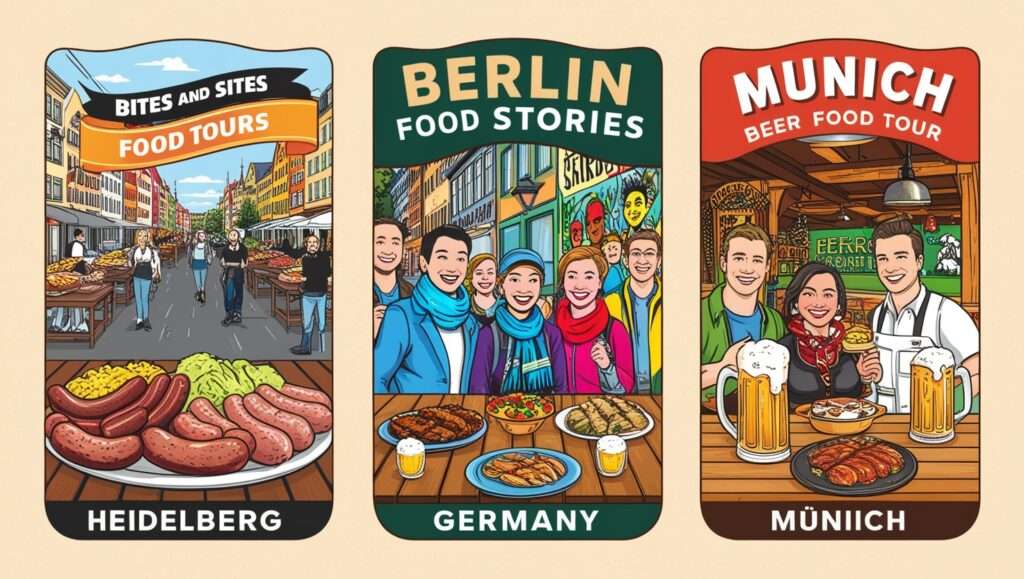
Culinary Tours
Culinary tours are an awesome way to learn about German food while tasting it!
- Bites and Sites Food Tours (Heidelberg): Explore Heidelberg’s charming streets and enjoy traditional dishes like schnitzel and bratwurst.
- Berlin Food Stories Tours (Berlin): Discover Berlin’s foodie scene with stops at local favorites for currywurst, döner kebabs, and craft beer.
- Munich Beer and Food Tour (Munich): Combine Bavarian beer with classic foods like pretzels and Weißwurst while learning about Munich’s history.
Planning to visit Germany for the holiday season? Make your trip more affordable with our Christmas Travel Costs 2024: Best Flight Dates & Money-Saving Tips.
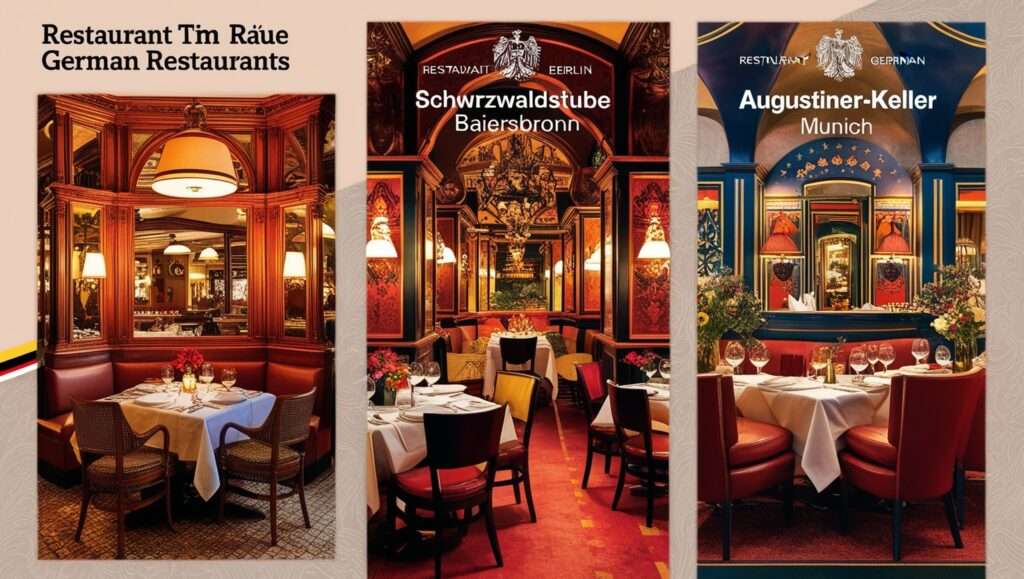
Best Restaurants
Germany is home to countless amazing restaurants. Here are a few you can’t miss:
- Restaurant Tim Raue (Berlin): This two-Michelin-star restaurant is known for its modern twist on Asian-inspired German cuisine. It’s fancy but unforgettable!
- Schwarzwaldstube (Baiersbronn): Located in the Black Forest, this restaurant is a foodie paradise with stunning dishes inspired by local ingredients.
- Augustiner-Keller (Munich): For a more traditional experience, visit this historic beer hall serving hearty Bavarian meals like roast pork and dumplings.
Whether you’re strolling through a market, joining a tour, or dining at a cozy restaurant, experiencing German cuisine is a delicious adventure. Each bite tells a story of tradition, culture, and flavor!
VI. Tips for Culinary Adventures in Germany
Ready to explore German food like a pro? Here are some simple tips to help you order, understand menus, and make the most of your meals. Plus, we’ll talk about Germany’s famous beer, wine, and spirits traditions.
How to Order Food
Ordering food in Germany is easy once you know a few basics:
- Learn a Few Key Phrases: Even if you don’t speak German, phrases like “Ich hätte gerne…” (I would like…) or “Was empfehlen Sie?” (What do you recommend?) can be super helpful.
- Understand Menu Terms: Look out for words like Suppe (soup), Fleisch (meat), Fisch (fish), and Dessert (dessert). Some menus might have an English translation, but it’s good to know the basics.
- Don’t Rush: In Germany, meals are often enjoyed slowly. Be patient, and don’t be afraid to flag down the server when you’re ready to order or pay.
Pairing Dishes with Drinks
Germany is famous for its beer, wine, and spirits, and they’re often paired perfectly with food.
- Beer: German beer comes in many styles, like Pilsner, Weißbier (wheat beer), and Dunkel (dark beer). Try a crisp Pilsner with schnitzel or a creamy wheat beer with sausages. Bavarian beer halls are the best places to explore these options.
- Wine: Germany is known for its Riesling, which is light and fruity, great with fish or chicken. In southern regions, try a red Spätburgunder (Pinot Noir) with hearty meals like Sauerbraten.
- Spirits: For something stronger, try schnapps (a fruity liquor) after a meal or Jägermeister for a taste of German tradition.
Extra Tips for Foodies
- Tipping: It’s common to round up the bill or leave about 10% for good service.
- Seasonal Specials: Look out for seasonal dishes like asparagus in spring or Federweißer and Zwiebelkuchen in the fall.
- Cash is King: Many smaller places don’t take credit cards, so keep some cash handy.
Exploring German cuisine is not just about the food, it’s about the experience! Take your time, try local drinks, and enjoy every bite.
VII. Conclusion: Savor the Flavors of Germany
Germany’s food is as diverse as its landscapes and culture. From the hearty dishes of the north to the sweet treats of the south, every region offers something unique and delicious. Whether you’re enjoying a savory bratwurst at a local market, diving into a creamy Rote Grütze dessert, or pairing Bavarian Weißwurst with a refreshing beer, German cuisine has something for everyone.
If you’re traveling to Germany, be sure to try these must-try dishes and drinks. Not planning a trip soon? No problem! Many of these recipes are easy to make at home, so you can bring a taste of Germany to your own kitchen.
Germany isn’t just a food lover’s paradise, it’s also a fantastic destination for digital nomads. While exploring the country’s regional cuisines, check out Beyond The Laptop Cafés: Europe’s Rising Digital Nomad Cities for more inspiration on working remotely in Europe.
VIII. FAQ Section: Your German Food Questions Answered
Got questions about German food? No worries! Here are some common questions and easy answers to help you understand and enjoy German cuisine.
What Are the Most Popular German Dishes?
Some of the most famous German dishes include:
- Schnitzel: A breaded and fried meat cutlet, often served with potatoes or salad.
- Bratwurst: Grilled sausages, a street food favorite.
- Pretzels (Brezeln): Big, soft, and salty, perfect with mustard or cheese.
- Sauerbraten: A slow-cooked pot roast with a tangy marinade.
- Rote Grütze: A fruity dessert made with berries and served with cream or custard.
Which Regions in Germany Are Famous for Their Food?
Different parts of Germany are known for their unique flavors:
- Bavaria (South): Famous for pretzels, Weißwurst, and beer culture.
- Northern Germany: Known for seafood dishes like Labskaus and fresh fish.
- Eastern Germany: Loved for hearty meals like Königsberger Klopse (meatballs in a creamy caper sauce).
- Western Germany: Celebrated for Sauerbraten and Handkäs mit Musik (a tangy cheese dish).
- Central Germany: Famous for Thüringer Rostbratwurst and sweet treats like Schmandkuchen.
Is German Food Always Heavy?
Not at all! While German food is often hearty, there are plenty of lighter options. Try dishes like salads with white asparagus during Spargelzeit or fruity desserts like Rote Grütze. Plus, you’ll find lots of fresh veggies and seasonal ingredients in traditional recipes.
What Drinks Go Best with German Food?
Germany is famous for its drinks!
- Beer: A perfect pairing with pretzels, sausages, and hearty meals.
- Wine: Rieslings are great with lighter dishes like fish, while red wines like Spätburgunder pair well with rich meats.
- Non-alcoholic: Try Apfelschorle (apple juice mixed with sparkling water) for a refreshing drink.
Now that you know more about German food, you’re ready to explore it like a true foodie! Whether you’re planning a trip or trying out recipes at home, there’s so much to discover. Happy eating!
What Makes German Bread So Special?
German bread is some of the best in the world! With over 300 varieties, it’s a huge part of daily life. Rye bread (Roggenbrot), whole grain (Vollkornbrot), and pretzel rolls (Laugenbrötchen) are just a few examples. Bakeries are everywhere in Germany, so it’s easy to grab fresh bread to enjoy with butter or cheese.
What Are Traditional German Desserts?
German desserts are delicious! Popular ones include:
- Black Forest Cake (Schwarzwälder Kirschtorte): A layered chocolate cake with cherries and whipped cream.
- Apfelstrudel: A flaky pastry filled with apples and cinnamon.
- Rote Grütze: A fruity berry dessert served with cream or vanilla sauce.
Do Germans Eat a Lot of Sausages?
Yes, sausages (Wurst) are a big deal in Germany! There are over 1,000 types, ranging from spicy Currywurst to grilled Bratwurst and smoked Weisswurst. Each region has its own specialties, so there’s always something new to try.
What Is the Most Popular Meal in Germany?
One of the most popular meals is schnitzel with potatoes and salad. It’s a comfort food that’s loved by locals and visitors alike. Another favorite is Käsespätzle, a cheesy pasta dish from southern Germany.
Are There Vegetarian or Vegan Options in German Cuisine?
Absolutely! While traditional German food is often meat-heavy, there are plenty of plant-based options. Dishes like Kartoffelsalat (potato salad), Gemüsesuppe (vegetable soup), and Brezeln (pretzels) are vegetarian. Many restaurants also offer vegan twists on classic recipes.
When Is the Best Time to Experience German Food?
Germany’s food scene is great year-round, but certain times offer special treats:
- Spring: Enjoy asparagus during Spargelzeit.
- Summer: Try fresh berries and light salads.
- Fall: Savor Federweißer (young wine) and Zwiebelkuchen (onion tart).
- Winter: Christmas markets are perfect for Stollen and mulled wine (Glühwein).






 English