
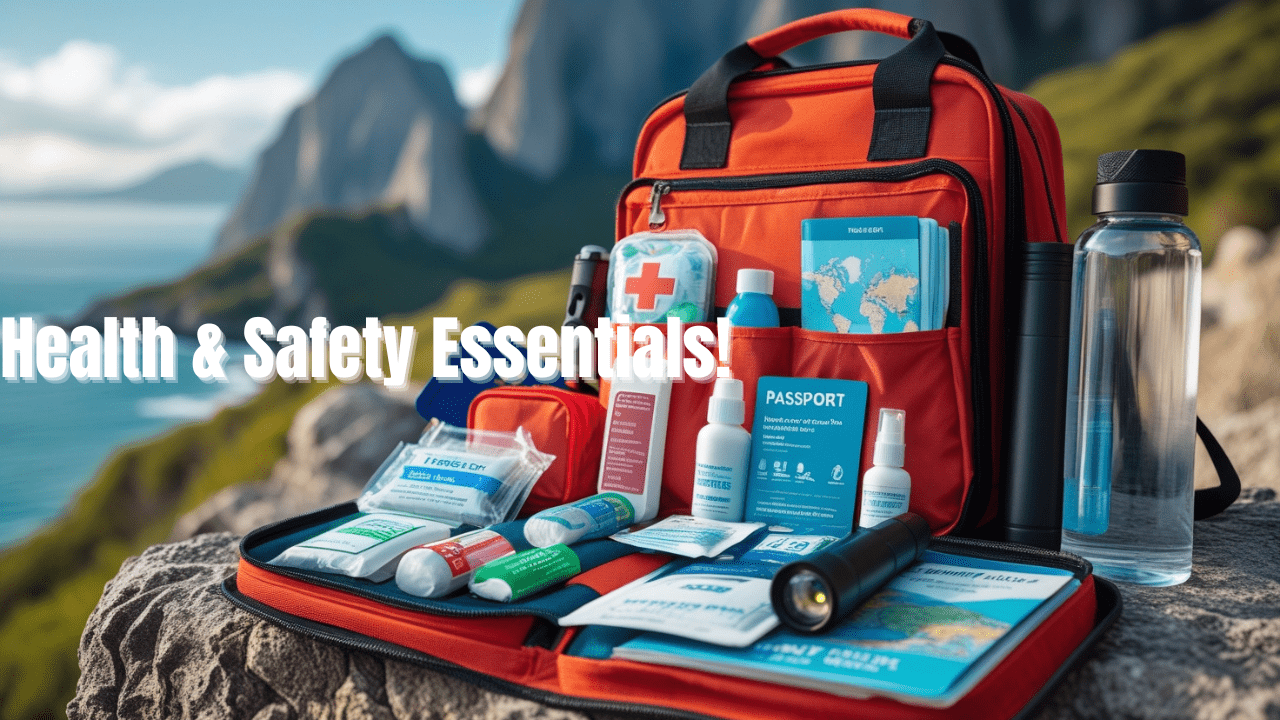
Travel Emergency Kit: Health & Safety Abroad
Imagine this: You’re exploring a bustling market in a foreign country when suddenly, you feel dizzy, disoriented, and collapse. Medical emergencies like this happen more often than you might think; studies show that 1 in 6 travelers experience a health issue abroad, ranging from minor illnesses to life-threatening situations. Whether it’s a sudden illness, an accident, or even a natural disaster, being unprepared can turn a dream trip into a nightmare.
This blog post is your ultimate guide to handling health emergencies while traveling. We’ll walk you through practical steps to stay prepared, from pre-trip planning to navigating healthcare systems in unfamiliar places. You’ll learn how to recognize a health emergency, take immediate action, and manage the aftermath with confidence.
Traveling is an adventure, but unexpected health issues can happen to anyone. By the end of this post, you’ll have actionable tips to protect yourself and your loved ones, ensuring you’re ready to handle whatever comes your way. Let’s dive into how you can stay safe, informed, and prepared no matter where your journey takes you.
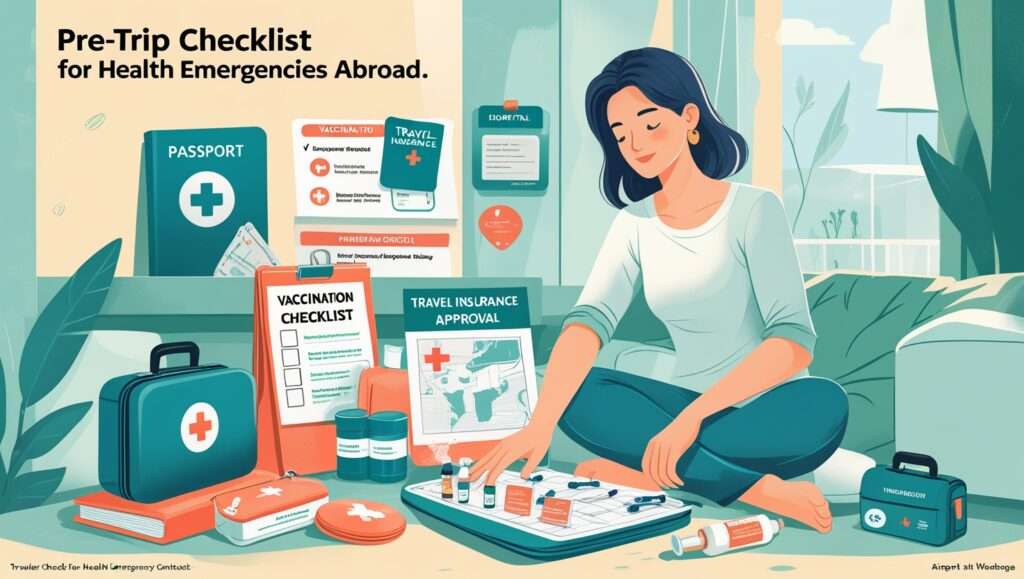
Pre-Trip Checklist: Building Your Safety Net for Health Emergencies Abroad
Before embarking on your journey, taking the time to prepare can make all the difference in handling health emergencies abroad. Start by researching your destination, understanding local emergency services, including contact numbers, availability, and response times. Identify nearby hospitals, clinics, and pharmacies to ensure you know where to go if needed.
One of the most critical steps is securing comprehensive travel insurance that covers health emergencies, including medical evacuation. Choose a plan that fits your needs, ensuring it includes coverage for unexpected illnesses, accidents, and hospital stays.
Don’t forget to organize your documentation. Carry physical copies of your passport, insurance details, and emergency contacts, and save digital backups in secure cloud storage or email for easy access.
Health precautions are equally important. Check for required vaccinations and health advisories for your destination, and pack a travel health kit with essential medications, first-aid supplies, and any prescription drugs you may need. Research destination-specific health risks, such as common illnesses or environmental hazards, and take preventive measures.
Finally, gather essential emergency contacts, including local emergency numbers, your country’s embassy or consulate, and nearby medical facilities with English-speaking staff. By following this pre-trip checklist, you’ll build a safety net that ensures peace of mind and preparedness for any health emergency while traveling.
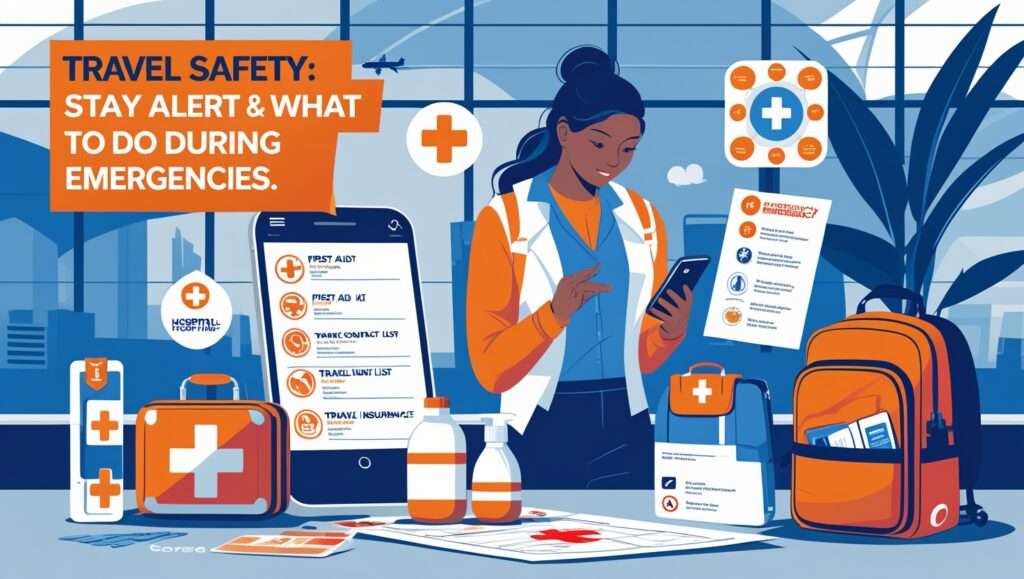
Travel Safety: Stay Alert & Know What to Do During Emergencies
Ensuring travel safety begins with thorough preparation and awareness. Start by researching your destination to understand local emergency services, including contact numbers, availability, and response times. Identify nearby hospitals, clinics, and pharmacies in case of medical emergencies, and make note of facilities with English-speaking staff if you’re traveling to a non-English-speaking country.
Investing in comprehensive travel insurance is a non-negotiable step. Choose a plan that covers health emergencies, medical evacuation, trip cancellations, and other unforeseen events. Carefully review policy details to ensure it meets your needs, especially if you’re engaging in adventure activities or traveling to remote areas.
Documentation is another critical aspect of travel safety. Always carry physical copies of essential documents like your passport, insurance cards, medical records, and prescriptions. Additionally, save digital backups in secure cloud storage or email them to yourself for easy access in case of loss or theft.
Health precautions are equally important; check for required vaccinations, destination-specific health risks, and any travel advisories issued for your destination. Pack a travel health kit tailored to your needs, including prescription medications, over-the-counter remedies, and basic first-aid supplies.
Before you depart, gather essential emergency contacts, such as local ambulance, police, and fire department numbers, as well as the contact information for your country’s embassy or consulate. Familiarize yourself with common illnesses or health concerns in the region and take preventive measures, such as carrying insect repellent for mosquito-borne diseases or water purification tablets for areas with unsafe drinking water.
Finally, confirm your health insurance coverage for international travel and understand how to file claims from abroad. By staying informed, prepared, and vigilant, you can navigate emergencies confidently and ensure a safer, more enjoyable travel experience.
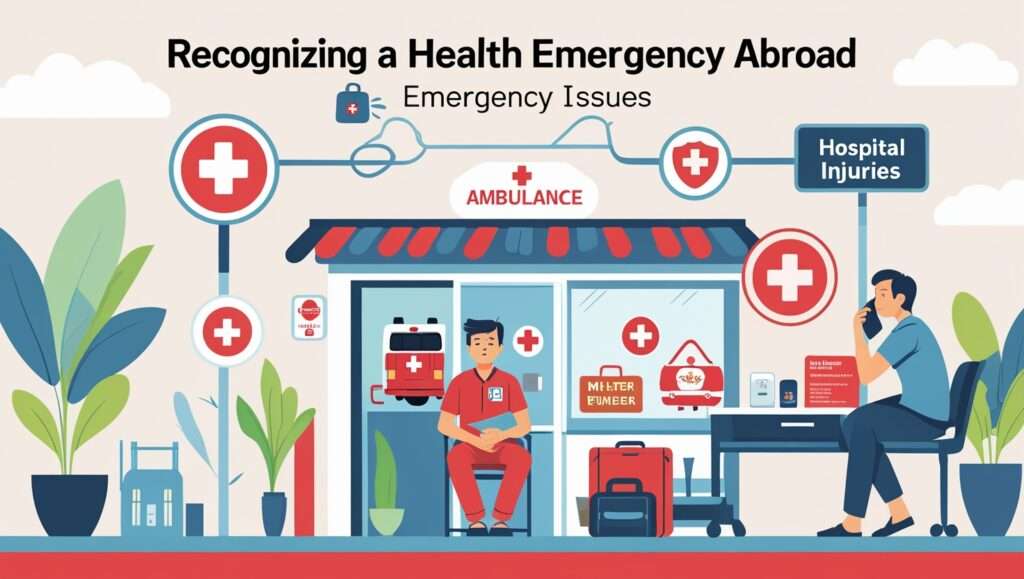
Recognizing a Health Emergency Abroad
When traveling, being able to recognize the signs of a health emergency can be lifesaving. Life-threatening situations often present with clear, severe symptoms that require immediate attention. These include difficulty breathing, chest pain, sudden confusion or slurred speech (which could indicate a stroke), severe bleeding, loss of consciousness, or intense abdominal pain. Such symptoms should never be ignored, as they could signal conditions like heart attacks, severe infections, or internal injuries. In these cases, seeking emergency medical care without delay is critical.
However, not all health issues require urgent intervention. Non-urgent medical problems, such as mild fevers, minor cuts, or mild digestive discomfort, can often be managed with basic first-aid or over-the-counter medications. Understanding the difference between urgent and non-urgent issues is key to avoiding unnecessary panic while ensuring serious conditions are addressed promptly.
To make informed decisions, familiarize yourself with common health risks at your destination and monitor your body closely. When in doubt, err on the side of caution and seek professional medical advice. Many countries have telehealth services or local clinics where you can consult a doctor for non-emergency concerns. By staying vigilant and informed, you can better assess health situations abroad and take appropriate action to protect your well-being.
How to Handle a Medical Emergency in a Foreign Country
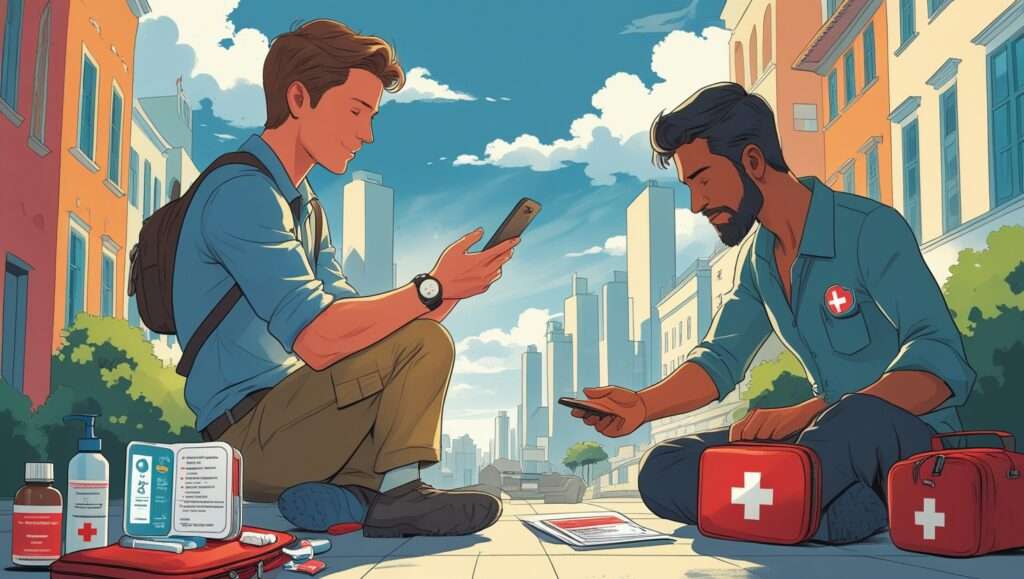
Facing a medical emergency abroad can be overwhelming, but staying calm and taking the right steps can make all the difference. Start by assessing the situation and ensuring your safety; check your surroundings for potential hazards and administer basic first-aid if necessary. Immediately call local emergency services, providing clear details about your location and the nature of the emergency.
If you’re unsure of the local emergency number, ask a local or check online before your trip. Language barriers can complicate communication, so use translation apps or seek help from hotel staff, tour guides, or locals to convey critical information to medical professionals.
In more serious situations, contact your country’s embassy or consulate for assistance. They can provide invaluable support, such as recommending trusted medical facilities, helping with language translation, arranging emergency loans, or notifying your family back home.
Additionally, your travel insurance is a crucial resource; ensure you understand how to file a claim and access medical care. Review your policy beforehand to confirm coverage for hospital stays, medical evacuations, or repatriation, and keep your insurance details and emergency contact numbers easily accessible.
Preparation is key to handling a medical emergency abroad. Before traveling, research local healthcare systems, save emergency numbers, and pack a basic first-aid kit with essential medications. By staying informed, composed, and proactive, you can navigate a health crisis overseas with confidence and ensure you receive the care you need, no matter where you are in the world.
Navigating Healthcare Abroad: Your Essential Guide to Staying Safe and Prepared
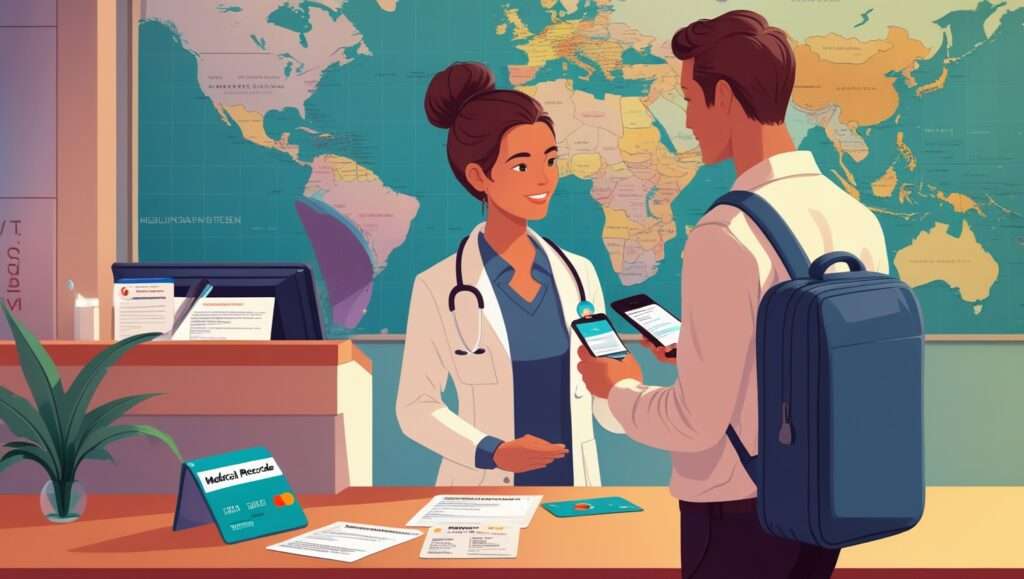
Visiting a medical facility in a foreign country can be daunting, especially if you’re unfamiliar with the local healthcare system. Healthcare systems vary widely around the world, from publicly funded services in some countries to private, cash-based systems in others. In many places, you may need to pay upfront for medical services, even in emergencies, so it’s essential to carry sufficient cash or a credit card.
Research your destination’s healthcare system before you travel to understand how it operates, whether you need referrals to see specialists, and if there are any public versus private hospital options.
Language barriers can further complicate the experience. If you don’t speak the local language, advocate for yourself by using translation apps, carrying a phrasebook with medical terms, or seeking help from hotel staff, tour guides, or even fellow travelers.
Payment and insurance claims are another critical aspect of navigating healthcare abroad. In cash-based systems, you may need to pay for services immediately, so ensure you have access to funds. Always request detailed receipts, medical records, and any documentation related to your treatment, as these will be necessary for filing insurance claims.
By understanding the local healthcare system, preparing for potential language barriers, and staying organized with payments and documentation, you can navigate medical facilities abroad with greater confidence and ensure you receive the care you need while protecting yourself financially.
Post-Emergency Actions
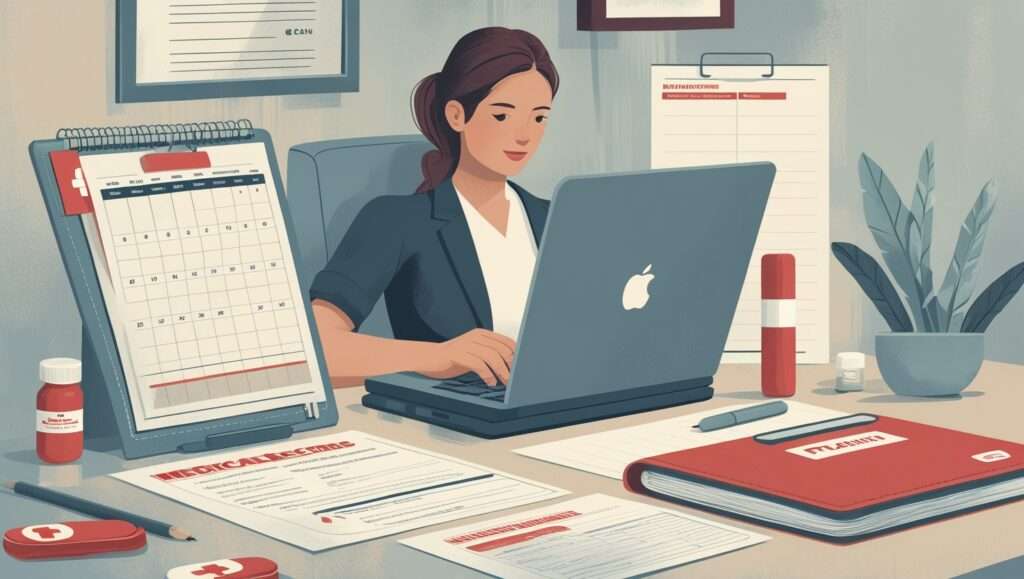
After experiencing a health emergency abroad, taking the right post-emergency steps is crucial to ensure your continued well-being and to handle any administrative or legal matters effectively. First and foremost, prioritize follow-up care. Depending on the severity of the situation, this may involve scheduling appointments with local doctors or specialists to monitor your recovery.
Reporting the incident to your travel insurance provider is another essential step. Contact them as soon as possible to initiate the claims process. Provide all necessary documentation, including medical records, receipts, and a detailed account of the emergency.
In cases where the emergency involves accidents, injuries from crime, or other legal matters, contacting local authorities may be necessary. File a police report if you’ve been a victim of theft, assault, or another crime, as this documentation may be required for insurance claims or legal proceedings.
Finally, take time to reflect on the experience and update your travel safety practices. Consider what worked well and what could be improved for future trips. By addressing follow-up care, insurance claims, and any legal requirements, you can navigate the aftermath of a health emergency abroad with confidence and ensure a smoother recovery process.
Table of Contents
TogglePro Tips for Staying Prepared
Handling Health Emergencies Abroad
Traveling to new destinations can be exciting, but it’s crucial to be prepared for unexpected health emergencies. Being proactive and informed can make all the difference in ensuring your safety and well-being while abroad. Below are expanded pro tips to help you stay prepared:
1. Download Emergency Apps
Red Cross First Aid App: This app provides step-by-step instructions for handling common first aid situations, from minor cuts to serious injuries. It’s a valuable resource for travelers, especially in areas where medical help may not be immediately available.
Travel Smart by the U.S. Department of State: This app offers country-specific travel advisories, emergency contact information for U.S. embassies, and tips for staying safe abroad. It’s a must-have for travelers who want real-time updates on safety and security.
Other Useful Apps: Consider downloading apps like Sitata (for travel alerts and health advisories) or AirDoctor (to find trusted medical professionals abroad).
2. Enroll in the Smart Traveler Enrollment Program (STEP)
What is STEP?: STEP is a free service provided by the U.S. Department of State that allows U.S. citizens traveling abroad to enroll their trip with the nearest U.S. embassy or consulate.
Benefits:
Receive real-time updates about safety conditions in your destination.
Make it easier for the embassy to contact you in case of an emergency (e.g., natural disasters, civil unrest, or family emergencies).
Get assistance during crises, such as evacuations or medical emergencies.
How to Enroll: Visit the STEP website and provide your travel details, including your destination, dates, and contact information.
3. Learn Basic Medical Terms in the Local Language
Why It’s Important: In a health emergency, being able to communicate basic medical needs can save time and potentially lives. Not everyone in your destination may speak English, so knowing key phrases can help you convey critical information to healthcare providers or bystanders.
Key Phrases to Learn:
“I need a doctor.”
“Where is the nearest hospital?”
“I am allergic to…”
“I have [specific condition].”
“Help!” or “Emergency!”
Tools to Help: Use language-learning apps like Duolingo or Google Translate to practice and familiarize yourself with these phrases before your trip.
4. Pack a Travel Health Kit
Essentials to Include:
Basic first aid supplies (bandages, antiseptic wipes, gauze, etc.).
Prescription medications (in their original containers, with copies of prescriptions).
Over-the-counter medications (pain relievers, antihistamines, anti-diarrheal, etc.).
Hand sanitizer and face masks.
A copy of your health insurance card and emergency contact information.
Customize for Your Destination: Research your destination to include items specific to the region, such as water purification tablets or insect repellent.
5. Know Your Health Insurance Coverage
Check Your Policy: Before traveling, verify whether your health insurance covers international travel. Many policies do not, so you may need to purchase additional travel health insurance.
Consider Travel Health Insurance: Look for plans that cover emergency medical evacuation, hospital stays, and repatriation. Companies like World Nomads or Allianz Travel Insurance offer comprehensive options.
Carry Proof of Coverage: Keep a digital and physical copy of your insurance policy and emergency contact numbers.
6. Research Local Healthcare Facilities
Identify Nearby Hospitals and Clinics: Before you travel, research the locations of reputable hospitals, clinics, and pharmacies in your destination.
Know the Emergency Number: In many countries, the emergency number is not 911. For example, it’s 112 in most of Europe and 999 in the UK. Save these numbers in your phone.
7. Stay Informed About Health Risks
Check Travel Health Advisories: Visit the CDC Travel Health website for updates on disease outbreaks, vaccination requirements, and health risks in your destination.
Get Vaccinated: Ensure you’re up-to-date on routine vaccines and any destination-specific immunizations (e.g., yellow fever, typhoid).
8. Share Your Itinerary with Trusted Contacts
Why It’s Important: In case of an emergency, someone should know your whereabouts and travel plans.
What to Share: Provide a copy of your itinerary, flight details, accommodation information, and emergency contacts to family or friends.
9. Stay Hydrated and Practice Good Hygiene
Hydration: Dehydration can exacerbate health issues, especially in hot climates. Always carry a reusable water bottle and drink clean, bottled water if tap water is unsafe.
Hygiene: Wash your hands frequently, use hand sanitizer, and avoid touching your face to reduce the risk of illness.
By following these pro tips, you can minimize risks and handle health emergencies more effectively while traveling. Preparation is key to ensuring a safe and enjoyable trip!
Conclusion
Traveling is an enriching experience, but it comes with its share of uncertainties. Health emergencies abroad can be daunting, especially when you’re in an unfamiliar environment. However, with proper preparation and proactive steps, you can significantly reduce risks and respond effectively if an emergency arises.
Why Preparedness Matters:
Being prepared isn’t just about packing the right items or knowing where to go—it’s about having the confidence and tools to handle unexpected situations. From downloading essential apps to learning basic medical phrases in the local language, every small step you take can make a big difference in ensuring your safety and well-being.
We’d love to hear from you! Have you ever faced a health emergency while traveling? What steps did you take, and what lessons did you learn? Share your experiences and tips in the comments below or on social media. Your insights could help fellow travelers stay safe and prepared on their journeys.
Relevant Resources:
To help you get started, here are some valuable resources:
-
U.S. Department of State Travel Advisories: travel.state.gov
-
CDC Travel Health Notices: cdc.gov/travel
-
Smart Traveler Enrollment Program (STEP): step.state.gov
-
Red Cross First Aid App: redcross.org/apps
-
World Health Organization (WHO) Travel Tips: who.int/travel-advice
Recap of Key Points:
-
Preparation is Key: From packing a travel health kit to researching local healthcare facilities, being prepared can save you time and stress in an emergency.
-
Stay Informed: Enroll in STEP, download emergency apps, and monitor travel advisories to stay updated on safety and health risks.
-
Learn and Communicate: Familiarize yourself with basic medical terms in the local language and know how to access emergency services.
-
Create a Personal Emergency Plan: Before your next trip, take the time to outline a clear plan for handling potential emergencies, including contact information, insurance details, and evacuation routes.
Final Encouragement:
Don’t wait until it’s too late, start preparing today. Create a personal emergency plan tailored to your destination and travel style. By taking these proactive steps, you’ll not only protect yourself but also gain peace of mind, allowing you to fully enjoy your adventures abroad.
Safe travels, and remember: preparation is the best companion you can have on any journey!
Optional Additions
To further enhance your emergency preparedness guide, consider including the following optional sections. These additions can provide readers with more practical insights, real-world examples, and actionable tools to ensure they’re fully equipped for their travels.
1. Specific Examples or Case Studies of Medical Emergencies Abroad
Sharing real-life scenarios can help readers understand the importance of preparedness and how to respond effectively. Here are a few examples:
-
Case Study 1: Food Poisoning in Southeast Asia
A traveler in Thailand experienced severe food poisoning after eating street food. They didn’t have anti-diarrheal medication or rehydration salts in their travel kit, which prolonged their discomfort. Lesson learned: Always pack medications for common travel-related illnesses and research safe food practices for your destination. -
Case Study 2: Altitude Sickness in Peru
A hiker in Cusco, Peru, ignored early symptoms of altitude sickness and continued ascending. They eventually needed emergency medical attention. Lesson learned: Research altitude risks, acclimatize properly, and carry altitude sickness medication if traveling to high-elevation areas. -
Case Study 3: Allergic Reaction in Europe
A traveler with a nut allergy accidentally consumed a dish containing nuts in Italy. They didn’t know how to communicate their allergy in Italian, delaying their access to help. Lesson learned: Learn how to describe allergies and medical conditions in the local language and carry a translated card if necessary.
These examples highlight the importance of preparation, research, and carrying essential supplies.
2. Information on Specific Regional or Country-Specific Concerns
Different destinations come with unique health and safety risks. Providing region-specific advice can help travelers tailor their preparations:
-
Southeast Asia:
-
Health Risks: Dengue fever, malaria, and traveler’s diarrhea are common.
-
Precautions: Use insect repellent, drink bottled water, and consider vaccinations or prophylactic medications.
-
-
Sub-Saharan Africa:
-
Health Risks: Yellow fever, malaria, and cholera are prevalent in some areas.
-
Precautions: Get required vaccinations, carry a yellow fever certificate, and use mosquito nets.
-
-
South America:
-
Health Risks: Zika virus, altitude sickness, and waterborne diseases.
-
Precautions: Pack altitude sickness medication, use insect repellent, and avoid tap water.
-
-
Europe:
-
Health Risks: Tick-borne diseases (e.g., Lyme disease) in rural areas.
-
Precautions: Wear long sleeves and pants when hiking, and check for ticks after outdoor activities.
-
-
Middle East:
-
Health Risks: Heatstroke and dehydration in desert regions.
-
Precautions: Stay hydrated, avoid outdoor activities during peak heat, and wear sunscreen.
-
Including this information can help travelers research and prepare for the specific risks associated with their destination.
3. Checklist for Packing and Planning
A downloadable checklist is a practical tool that readers can use to ensure they’ve covered all the essentials. Here’s an example of what the checklist could include:
Travel Health Kit Checklist
-
First Aid Supplies:
-
Bandages, gauze, and adhesive tape
-
Antiseptic wipes and ointment
-
Scissors and tweezers
-
Instant cold packs
-
-
Medications:
-
Prescription medications (with copies of prescriptions)
-
Pain relievers (e.g., ibuprofen, acetaminophen)
-
Anti-diarrheal medication
-
Antihistamines for allergies
-
Motion sickness tablets
-
Altitude sickness medication (if applicable)
-
-
Health and Hygiene:
-
Hand sanitizer
-
Face masks
-
Water purification tablets or a portable filter
-
Insect repellent (DEET-based for high-risk areas)
-
Sunscreen and lip balm with SPF
-
-
Documents:
-
Copies of your passport and visa
-
Health insurance card and policy details
-
Emergency contact information
-
Vaccination records (if required)
-
-
Miscellaneous:
-
Reusable water bottle
-
Snacks for emergencies
-
Flashlight or headlamp with extra batteries
-
Portable phone charger
-
Pre-Trip Planning Checklist
-
Research health risks and vaccination requirements for your destination.
-
Enroll in STEP or your country’s equivalent traveler registration program.
-
Download emergency apps (e.g., Red Cross First Aid, Travel Smart).
-
Learn basic medical phrases in the local language.
-
Share your itinerary with trusted contacts.
-
Create a personal emergency plan, including evacuation routes and emergency contacts.
Download our free, printable checklist [insert link] to ensure you’re fully prepared for your next trip!
By including these optional additions, you can provide readers with a comprehensive, actionable guide that addresses their specific needs and concerns. Whether it’s through real-life examples, region-specific advice, or a handy checklist, these tools will empower travelers to stay safe and confident on their journeys.





 English