

🌴 The Ultimate Maldives Travel Guide: When to Go, Where to Stay, What It Costs & How to Experience Paradise Sustainably
Maldives travel guide: this is your comprehensive, evergreen blueprint to planning the perfect trip to the Indian Ocean’s most iconic archipelago. Whether you’re daydreaming of overwater villas, researching authentic local-island stays, or trying to stretch your budget without sacrificing magic, this Maldives travel guide pulls everything together: best time to visit, where to stay, how to get around, what to pack, what it actually costs, ethical marine encounters, sample itineraries (5–14 days), safety and etiquette, and the smartest ways to make your trip sustainable and stress-free.
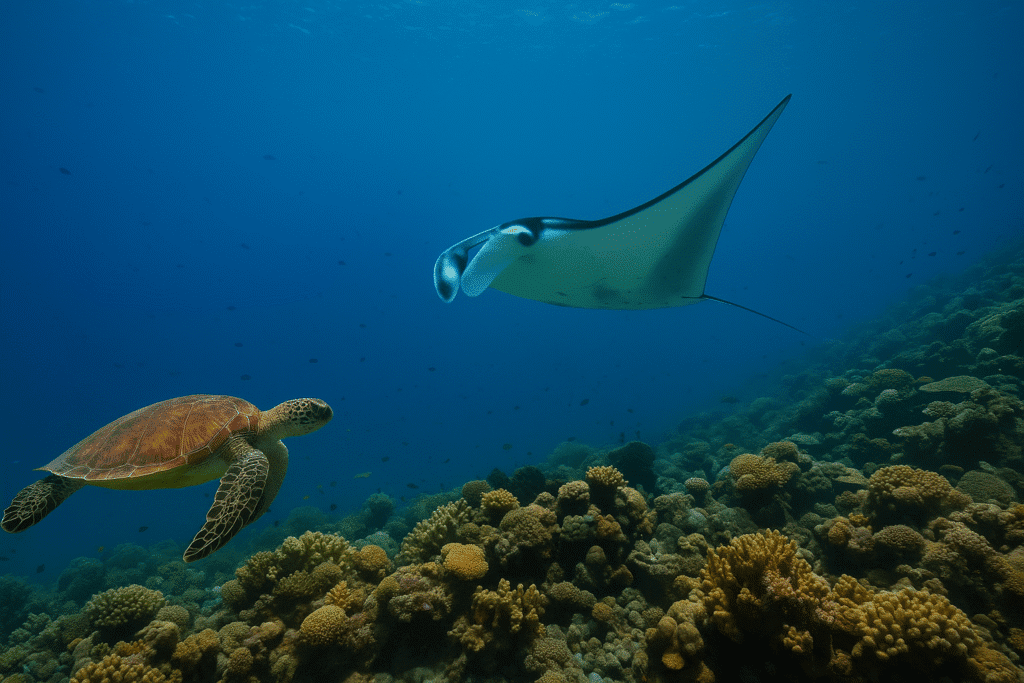
Table of Contents
ToggleQuick-Skim Table of Contents (what you’ll find in this Maldives travel guide)
Best time to visit (weather, crowds, costs)
Where to stay (resorts vs local islands, pros/cons, prices)
Realistic budgets (from backpacker to luxe)
Getting there & entry, transfers, inter-island travel
Top experiences (snorkeling, diving, sandbanks, surfing, culture)
Ethical wildlife & reef safety
Food & culture, etiquette you should know
Smart packing, connectivity, money tips
Connectivity, Money & Safety
Inter-Island Transport, Step by Step
Smart, Sustainable Choices (Core of this Maldives travel guide)
Discovering the Flavors of the Maldives
Sample itineraries (5, 7, 10, 14 days)
FAQs (Fast Answers Inside This Maldives Travel Guide)
10 Mistakes First-Time Visitors Make (and how this Maldives travel guide saves you)
Resources You’ll Actually Use
Useful Links (8 best, strategically placed)
Final Word—Travel Lightly, Savor Deeply
1) Best Time to Visit the Maldives (Weather, Crowds & Prices)
The Maldives has two clear seasons shaped by monsoons:
Dry / Northeast Monsoon (Nov–Apr): Peak sunshine, calm seas, excellent visibility for diving, higher demand and prices.
Wet / Southwest Monsoon (May–Oct): Short tropical showers, greener islands, surf season, fewer crowds, better deals.
Sweet spot picks:
Late Feb–April for calm seas, great snorkeling visibility, and shoulder-to-peak conditions.
May–June / Sept–Oct for value hunters, occasional rain but warm water and crowd-light beaches.
Pro tip (from this Maldives travel guide): book activities early in the dry season (sunset cruises, manta excursions) and keep one “flex” day in case a storm scrubs a boat trip.
Useful climate resource: Weather snapshots and averages are easy to visualize with reputable climate guides or airline planning tools. For weather planning, use a trusted climate overview site; for airfare timing, pair seasonal knowledge with a flexible search strategy (see internal flight-deal guide listed later).
2) Where to Stay in the Maldives (Resorts vs Local Islands)
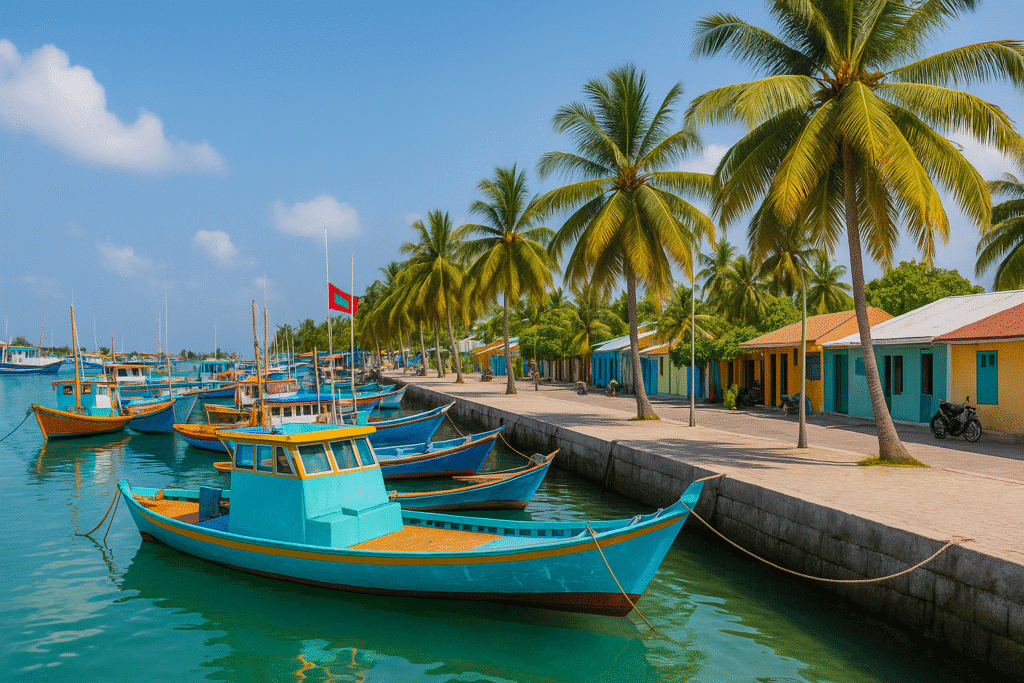
The Maldives is famous for its resort-islands—but since 2009, local islands with guesthouses have opened the door to authentic and affordable travel. This Maldives travel guide breaks down both options:
A) Resort Islands (Private, Splash-Out, Iconic)
Why choose: postcard-perfect overwater villas, privacy, spa, dive center, multiple restaurants, often house reefs steps from your deck.
Keep in mind: prices are higher; transfers can be costly; you’re largely within the resort economy.
Eco check: look for solar power, desalination, coral nurseries, reef-safe amenities, and waste reduction commitments.
B) Local Islands (Authentic, Budget-Savvy, Cultural Access)
Why choose: affordable rooms, local cafés and bakeries, community-run tours, deeper cultural connection.
Top local-island bases: Maafushi (amenities, day trips), Dhigurah (whale sharks), Thulusdhoo (surf), Rasdhoo (diving access).
Beachwear note: on local islands, swim at designated bikini beaches; modest attire elsewhere.
Hybrid strategy (best of both worlds): Split your stay—3–5 nights on a local island + 3–5 nights at an eco-leaning resort. This saves money, supports communities, and still delivers that “overwater villa” dream.
3) What It Really Costs (Backpacker to Luxury)
Use this Maldives travel guide to calibrate expectations:
Backpacker / Guesthouse:
Room: $45–$90/night (double, local island)
Meals: $5–$12 at local cafés; $15–$25 mid-range
Ferries: $2–$5 per leg
Activities: group snorkel $25–$45; whale-shark trip $60–$100
Daily total (per person): $70–$120
Mid-Range Mix (Local + Simple Resort):
Rooms: $80–$180 (local) / $250–$500 (resort)
Transfers: shared speedboat $30–$85 each way; occasional seaplane $250–$450
Daily total (per person): $180–$350
Luxury Resort:
Overwater villa: $700–$3,000+ per night
Meals: $80–$150+ per person/day (plans vary)
Seaplane: $300–$500 round-trip per person
Daily total (per couple): $1,200–$3,000+
Money-saving wins: travel shoulder season, bundle meal plans selectively, use shared speedboat transfers, and spend part of your trip on a local island.
4) Getting There, Entry, & Transfers
Visa & entry: Many nationalities receive visa-on-arrival (check your government site before you go). Passport valid for 6+ months, proof of onward travel, and accommodation details are typical requirements.
Airports: You’ll likely land at Velana International Airport (MLE) near Malé. Some resorts use domestic flights plus speedboat; others use seaplanes.
Transfers:
Public ferries (cheap, fixed routes, not daily to every island)
Shared speedboats (popular, run multiple times a day to major local islands)
Resort speedboats or seaplanes (arranged by resort; confirm schedules before booking flights)
Maldives travel guide tip: Schedule arrivals before mid-afternoon if you need a same-day seaplane; late arrivals may require an overnight near MLE.
5) Top Things to Do in the Maldives (Signature Experiences)
This Maldives travel guide highlights can’t-miss experiences across atolls:
Snorkeling & Diving
House reefs can be extraordinary: turtles, reef sharks, rays, clouds of anthias. Ari Atoll and Baa Atoll (a UNESCO Biosphere Reserve) are celebrated for biodiversity and seasonal manta congregations.
Sandbank Picnics & Deserted Islands
Nothing says “Maldives” like a morning on a powder-white sandbar and lunch under a canopy with shallow water all around.
Whale Sharks & Manta Rays
South Ari Atoll offers year-round whale-shark sightings; mantas are seasonal in several hotspots. Always choose ethical operators (see wildlife section).
Surfing
Consistent reef breaks fire from May–Oct, with Thulusdhoo and Himmafushi attracting surfers chasing clean Indian Ocean lines.
Culture in Malé & Local Islands
Explore fish markets, local mosques, boatbuilding, and handcrafts (lacquer work, mat weaving). Short city tours between flights can be richly rewarding.
Helpful internal reads:
• How to Find the Cheapest Flights Every Time
• Top Adventure Travel Destinations for Thrill Seekers
6) Ethical Wildlife Encounters & Reef Etiquette
Your Maldives travel guide to protecting the incredible ecosystem:
Do not touch, stand on, or kick coral. Practice perfect buoyancy.
Use reef-safe sunscreen (no oxybenzone/octinoxate).
Never chase sea turtles, sharks, or mantas. Give space approach slowly, let them come to you.
Avoid feeding fish or baiting wildlife for photos.
Snorkel with operators who brief on ethics and limit group size.
Conservation-minded resorts and local NGOs often run coral-nursery tours, beach clean-ups, and citizen-science manta ID projects, fantastic, educational add-ons for your trip.
7) Food & Culture (What to Eat, How to Dine Respectfully)
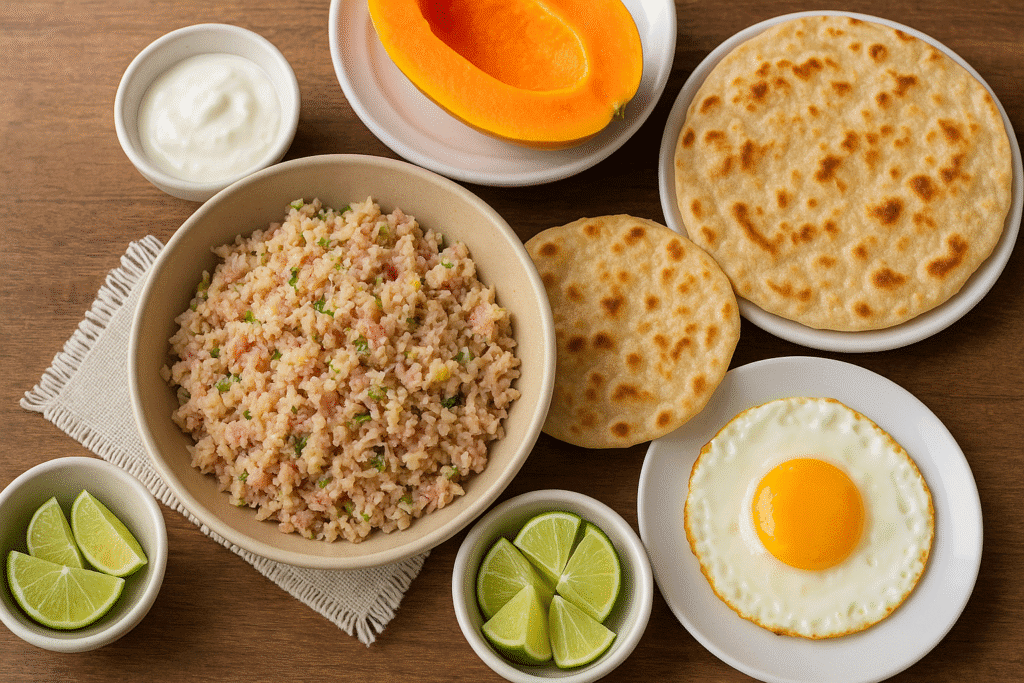
Maldivian cuisine is coconut-rich, tuna-forward, and deliciously simple:
Mas Huni: shredded tuna, coconut, onion, chili and breakfast hero with flatbread (roshi).
Garudhiya: aromatic fish broth with lime, chili, onions, and rice.
Fihunu Mas: whole reef fish with chili-lime marinade, grilled.
Hedhikaa: beloved snack culture, samosas, fish rolls, fried bites at tea time.
Etiquette in brief:
On local islands, modesty matters, cover shoulders and knees away from bikini beaches.
Alcohol is restricted to resort islands and liveaboards.
Always ask before photographing people, mosques, or private spaces.
Tasty internal companion: Explore Holiday Cuisine From Around the World
8) Packing & Practicalities
A lean, smart kit keeps inter-island travel simple:
Reef-safe sunscreen, sun shirt, hat, polarizing sunglasses
Snorkel mask (fits you, avoids rental lines), dry bag for boat days
Lightweight linens, sarong, modest cover-ups for local islands
Water shoes for rocky entries; flip-flops for boats
Reusable water bottle and small filter if you prefer
Universal adapter, power bank, eSIM or local SIM
One-bag win: Cut weight and stress with this packing resource: One-Bag Packing List (Free Spreadsheet)
9) Connectivity, Money & Safety
Connectivity: Resorts have Wi-Fi; local islands offer decent 4G/5G. A local SIM/eSIM is the cheapest data option.
Money: The Maldivian Rufiyaa (MVR) is used on local islands; USD accepted widely. ATMs in Malé and bigger islands; carry some cash for small cafés or ferries.
Safety: The Maldives is generally safe; take ocean safety seriously currents can be strong. Confirm life jackets on boats and stay hydrated.
Health: Pack personal meds; consider motion-sickness remedies for speedboats. For diving, ensure proper coverage with travel insurance.
Helpful internal read: How to Find Doctor or Hospital Abroad
10) Inter-Island Transport, Step by Step
This Maldives travel guide wayfinder explains your options:
Public Ferries: Cheapest; fixed timetables; not all routes daily; slower but scenic.
Shared Speedboats: Most popular for local islands, multiple daily runs, weather-dependent.
Resort Boats/Seaplanes: Arranged by properties; confirm connections before booking flights.
Domestic Flights: Connect far-flung atolls; combine with short speedboat hops.
Timing tip: On departure day, build in buffer hours for weather delays, especially in the wet season.
11) Smart, Sustainable Choices (Core of this Maldives travel guide)
Choose stays with renewable energy, glass-bottle water, and coral-restoration programs.
Travel light and refill, minimize single-use plastics.
Book local: community-run tours, cafés, women-led craft co-ops.
Offset wisely by prioritizing reduction first (longer stays, non-stop flights, efficient transfers).
Go slow: build rest days to enjoy lagoons without motorized activities.
Related internal reads:
• Sustainable Travel Guide for Families & Kids
• How to Travel Sustainably on a Budget
• Eco-Lodges & Sustainable Stays (round-ups & ideas)
12) 🍲 Discovering the Flavors of the Maldives
Maldives cuisine, known locally as Dhivehi cuisine is a delicious blend of simplicity, freshness, and island ingenuity. Built around three essential ingredients: fish, coconut, and starches. Maldivian cooking turns everyday staples into deeply comforting, flavorful dishes.
Every bite feels like tasting the Indian Ocean itself: tuna grilled over coconut husks, crisp breadfruit chips, and fragrant curries enriched with cardamom and chili. Coconut shows up in nearly every form imaginable; grated, turned into creamy milk, or used as oil adding the rich, velvety textures that define Maldivian food.
Breakfast often features Mas Huni, a mix of tuna, onions, and coconut served with warm flatbread and black tea. For a midday treat, Bis Keemiya, a flaky pastry similar to a samosa, is a local favorite.
As evening approaches, seaside cafés dish up Rihaakuru, a thick, slow-simmered tuna paste, alongside spicy kattala fish curry and rice. And no culinary journey is complete without experiencing Sai hotaa, the Maldivian take on high tea where families gather over fried snacks and sweet coconut cakes while the sun dips over the lagoon.
Whether you’re dining at a luxury resort or a cozy family-run guesthouse, Maldivian cuisine tells a story of the ocean, tradition, and the gentle rhythm of island life.
🥥 Local Cuisine Quick Guide — Taste of the Maldives
Experience authentic Maldivian flavors with this mini guide to island dishes, snacks, and drinks you shouldn’t miss.
🍛 Must-Try Dishes
- Mas Huni: Shredded tuna, coconut, onion, and chili served with warm flatbread (roshi).
- Garudhiya: Aromatic tuna broth with lime, chili, and rice — the national comfort soup.
- Fihunu Mas: Grilled reef fish marinated with chili and lime over coconut husk coals.
- Rihaakuru: Thick, slow-cooked tuna paste used as a condiment or curry base.
- Kukulhu Riha: Coconut-based chicken curry with curry leaves and Maldivian spices.
🥟 Local Snacks (Hedhikaa)
- Bis Keemiya: Pastry stuffed with tuna, egg, and vegetables — like a Maldivian samosa.
- Gulha: Fried fish balls with chili, onion, and grated coconut.
- Bajiya: Fried tuna-and-coconut parcels — best with sweet black tea at sunset.
🥥 Refreshing Island Drinks
- Sai (Black Tea): Strong, sweet, and central to Maldivian hospitality.
- Raa: Natural palm sap drink — lightly fermented and mildly sweet.
- Kurumba: Fresh coconut water straight from the shell — the pure taste of the tropics.
💡 Traveler Tip: Visit a local Sai Hotaa tea shop around 5 p.m. to enjoy Maldivian tea time with locals — an authentic island ritual few tourists experience.
13) Sample Maldives Itineraries (5, 7, 10 & 14 Days)
🏝️ Best Islands to Visit — From Local Life to Luxury
Not all islands in the Maldives are the same. Here’s a curated mix of local gems and resort paradises to suit every travel style and budget.
💸 Budget & Local Island Experiences
- Maafushi: The first and most developed local island — affordable guesthouses and daily tours.
- Thulusdhoo: Famous surf breaks, craft workshops, and relaxed café culture.
- Dhigurah: Whale shark encounters and a long sandbar beach perfect for slow travel.
- Rasdhoo: Diver’s favorite — vibrant coral reefs and manta sightings year-round.
✨ Luxury & Eco-Resort Islands
- Soneva Fushi (Baa Atoll): The benchmark for barefoot eco-luxury with solar power and coral projects.
- Baros Maldives (North Malé): Iconic overwater villas and intimate, reef-rich setting close to the airport.
- Six Senses Laamu (Laamu Atoll): Sustainability pioneer with turtle research and zero-plastic policy.
- Gili Lankanfushi: Handcrafted villas, natural materials, and slow-living philosophy.
💡 Tip: Combine one local island with one eco-resort stay to balance budget, comfort, and authentic Maldivian culture — a perfect hybrid itinerary.
Use these as modular building blocks—each Maldives travel guide itinerary balances snorkeling, culture, and rest.
5 Days: “First-Time Highlights”
Day 1: Arrive MLE → shared speedboat to Maafushi; sunset beach walk
Day 2: Snorkel trip + sandbank picnic
Day 3: Dolphin cruise + café-hopping
Day 4: Day trip to nearby reef/island; optional night fishing
Day 5: Boat back to MLE → depart
7 Days: “Local + Eco-Resort Blend”
Days 1–3 (Local Island): Thulusdhoo surf vibe or Dhigurah for whale sharks
Days 4–6 (Eco-Resort): Coral-nursery tour, spa, house-reef snorkeling
Day 7: Transfer back → Malé fish market & mosque → depart
10 Days: “Explorer Route”
Days 1–3: Rasdhoo dive scene
Days 4–6: Local island culture, hedhikaa tastings, sunset kayaking
Days 7–9: Resort with great house reef (focus on manta/turtle zones)
Day 10: Return via Malé, souvenir stop, depart
14 Days: “Slow Maldives”
Mix two local islands (e.g., Dhigurah + Thulusdhoo) with one resort stay
Add a manta research briefing or coral-planting day
Build two “no-plan” lagoon days for real rest
Planning booster: Essential Travel Planning Strategies
🧭 Practical Travel Essentials — Know Before You Go
Save time, money, and stress with these quick-hit Maldives essentials covering money, SIM cards, transfers, dress code, and safety.
💳 Money & Payments
- Currency: Maldivian Rufiyaa (MVR); USD widely accepted in resorts/tour ops.
- ATMs: Common in Malé and larger local islands; carry small cash for ferries/cafés.
- Tipping: Service charges are common at resorts; small cash tips appreciated for boats/guides.
📶 SIM / Connectivity
- Best value: Local SIM/eSIM at arrival or island shops (good 4G/5G on main routes).
- Resort Wi-Fi: Usually available; speeds vary. Download maps/playlists offline.
🚤 Transfers & Timing
- Public Ferries: Cheapest; fixed schedules; not all routes daily.
- Shared Speedboats: Frequent to popular local islands; weather dependent.
- Seaplanes: Daylight-only; aim to land by early afternoon for same-day transfer.
- Buffer Time: Add extra hours on departure day in wet season.
🕌 Dress Code & Etiquette
- Local islands: Use designated bikini beaches; dress modestly elsewhere.
- Friday: Midday prayers can affect shop/transport hours—plan around it.
- Resorts: Casual beachwear is fine; smart-casual at dinner in some venues.
🧳 Power & Packing
- Electricity: 230V/50Hz; plug type G common — bring a universal adapter.
- Ocean days: Dry bag, reef-safe sunscreen, and a snug-fitting snorkel mask.
🩺 Health & Safety
- Insurance: Ensure coverage for water sports/diving and weather delays.
- Sun & Hydration: Strong UV year-round—cover up and drink plenty of water.
- Marine etiquette: Don’t touch coral or wildlife; keep safe distances.
💡 Pro Tip: Combine one local island (budget-friendly, authentic) with one eco-resort stay (relaxation, house reef) for the best-value itinerary.
14) FAQs (Fast Answers Inside This Maldives Travel Guide)
Q: Is the Maldives only for luxury travelers?
A: No. With guesthouses on local islands, a Maldives trip can be surprisingly affordable while remaining magical.
Q: Can I wear a bikini everywhere?
A: On resort islands, yes. On local islands, use designated bikini beaches and dress modestly elsewhere.
Q: Are whale-shark trips ethical?
A: Choose operators that brief on distance guidelines, avoid chumming, and never crowd the animal. In this Maldives travel guide, we stress no touching, no chasing.
Q: Can I drink alcohol on local islands?
A: Alcohol is permitted on resort islands and licensed liveaboards—not on local islands.
Q: Do I need cash?
A: Carry some MVR and small USD. Cards are common in resorts; local ferries and small cafés may be cash-preferred.
Q: Is tap water drinkable?
A: Generally no. Resorts use desalination; bring a refillable bottle and ask about filtered water stations.
15) 10 Mistakes First-Time Visitors Make (and how this Maldives travel guide saves you)
Booking late-night arrivals without confirming transfer schedules.
Over-packing heavy gear (rent a BCD/reg at dive shops; bring just your own mask).
Not factoring seaplane cut-off times and midday sun for check-in photos.
Ignoring Friday schedules (some services pause midday).
Skipping reef-safe sunscreen, harmful ingredients damage coral.
Underestimating currents or snorkeling without a float.
Planning too many high-speed activities, fatigue steals the magic.
Forgetting modest attire for local villages and mosques.
Paying for every meal à la carte at resorts when a partial meal plan is cheaper.
Not carrying a dry bag for boat days (phones + saltwater = heartbreak).
🌿 Eco-Friendly Travel Tips — Travel Lightly in Paradise
Protect the Maldives’ fragile ecosystem by making small, conscious choices that add up to big positive impact.
- 💧 Bring a reusable water bottle — most guesthouses offer refill stations or filtered water.
- ☀️ Use reef-safe sunscreen to prevent coral bleaching — avoid oxybenzone and octinoxate.
- 🚤 Share transfers or use public ferries to cut your carbon footprint and meet locals.
- 🐠 Respect marine life: keep 3–4 meters distance from sea turtles, mantas, and whale sharks.
- 🧴 Skip single-use plastics — pack bamboo utensils, refill toiletries, and tote bags.
- 🌾 Stay at eco-lodges powered by solar or using coral-restoration projects.
- 🍽️ Eat local produce — fresh fish, coconuts, and tropical fruit support island farmers.
🌏 Did You Know? The Maldives is one of the world’s lowest-lying nations. Every eco-friendly action you take helps preserve these islands for future generations.
16) Resources You’ll Actually Use
National airline and meta search for building a flight baseline (pair with flexible date tools).
UNESCO Biosphere Reserve info for Baa Atoll (manta season context, conservation).
Responsible tourism pages from eco-resorts or NGOs for coral-nursery and citizen-science programs.
Government travel health page for general advisories and routine travel health tips.
Maldives transport operators’ live schedules (public ferry + shared speedboats) when finalizing islands.
17) Internal Resources
Helpful Guides for Planning Your Maldives Trip
- Find the Cheapest Flights Every Time
- Essential Travel Planning Strategies
- One-Bag Packing List (Free Spreadsheet)
- Top Adventure Travel Destinations for Thrill Seekers
- Sustainable Travel Guide for Families & Kids
- How to Travel Sustainably on a Budget
- Eco-Lodges & Sustainable Travel
- How to Find a Doctor or Hospital Abroad
Plan Your Maldives Trip With These Helpful Travel Guides
Make your Maldives vacation easier, cheaper, and more sustainable with these expert resources. Each guide below supports smart trip planning—from finding low-cost flights to choosing eco-friendly stays and staying safe abroad.
- How to Find the Cheapest Flights Every Time – perfect for scoring affordable airfare to Malé.
- Essential Travel Planning Strategies – build a smooth Maldives itinerary from start to finish.
- One-Bag Packing List (Free Spreadsheet) – pack light for seaplane transfers and island-hopping.
- Top Adventure Travel Destinations for Thrill Seekers – great for travelers combining the Maldives with a bigger adventure trip.
- Sustainable Travel Guide for Families & Kids – eco-friendly tips for family-friendly Maldivian islands.
- How to Travel Sustainably on a Budget – ideal for learning low-impact ways to enjoy the Maldives responsibly.
- Eco-Lodges & Sustainable Travel – browse eco-conscious resort and guesthouse options.
- How to Find a Doctor or Hospital Abroad – essential health & safety guidance before your island trip.
These resources strengthen your Maldives trip planning, offer trustworthy travel expertise, and provide practical tips you can use before and during your stay.
To help you plan with confidence, here are trusted external resources that provide accurate weather data, sustainable accommodation options, flight comparisons, and official travel advisories for the Maldives.
Trusted Resources for Planning Your Maldives Trip
For accurate weather data, flight comparisons, eco-friendly accommodations, and up-to-date safety information, here are reputable external resources that complement this Maldives travel guide:
- Weather2Travel – Maldives Climate Data – reliable climate averages and seasonal weather insights for every month.
- Booking.com – Sustainable Travel Badge – find eco-certified hotels, guesthouses, and island lodges.
- Skyscanner – Cheap Flight Finder – compare flight prices from major airlines and budget carriers flying into Malé.
- Google Flights – Deal Tracker – track fare changes, discover the cheapest travel dates, and plan your route easily.
- U.S. State Department – Maldives Travel Advisory – check current entry requirements, safety updates, and travel advisories.
These authoritative sources provide real-time data and additional perspective to help you plan a safe, sustainable, and well-informed Maldives getaway.





 English