

Is Overtourism Still a Problem? What Travelers Can Do in 2026
Overtourism continues to be one of the most important conversations in global travel. Even as destinations recover and transform after years of fluctuating tourism demand, many cities, islands, and heritage sites are struggling to balance visitor numbers with environmental, economic, and cultural sustainability. As we enter 2026, travelers are more aware than ever of how their choices affect local communities and they’re actively seeking ways to travel responsibly without sacrificing meaningful experiences.
In this comprehensive guide, we’ll break down whether overtourism is still a major issue in 2026, what’s changed since pre-pandemic travel peaks, and what you can do as a thoughtful traveler to reduce your footprint. You’ll also find internal links to helpful guides, itineraries, and travel strategies from Odyssey Discoveries to help you make smarter, more sustainable choices.
Table of Contents
ToggleWhat Is Overtourism and Why Does It Still Matter Today?
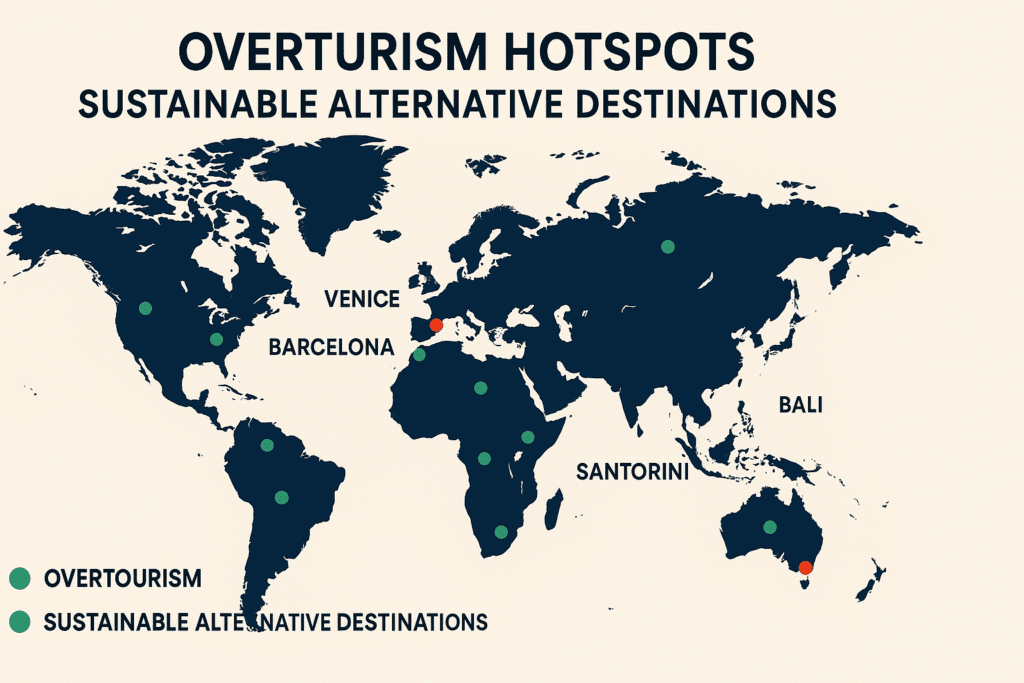
Overtourism describes a situation where the number of visitors to a destination overwhelms its capacity to handle them sustainably. This can lead to:
Strained infrastructure
Environmental damage
Rising local living costs
Cultural erosion
Resident frustration
Degraded visitor experiences
Even though the global industry is working to manage these issues, overtourism continues to surface in major destinations especially where social media trends, cruise traffic, new flight routes, and viral travel videos drive sudden surges in demand.
Cities like Venice, Barcelona, Kyoto, and Bali remain heavily affected. UNESCO heritage sites such as Machu Picchu and Borobudur have implemented strict visitor caps. And many islands, such as those in Thailand and the Maldives, are limiting daily visitors to protect delicate ecosystems.
If you’re planning travel in 2026, understanding how overtourism works is essential for choosing destinations that support sustainable experiences, not exploit them.
Is Overtourism Still a Problem in 2026?
The short answer: Yes, but it’s changing.
Overtourism in 2026 looks different than pre-2020 tourism spikes. The travel landscape has evolved, technology has reshaped trip planning, and governments are taking stronger measures to protect their cities and natural attractions.
1. Social Media Trends Are Still Driving Tourist Surges
Platforms like TikTok, Instagram, and YouTube can turn hidden gems into viral hotspots overnight. While this boosts local economies, it also leads to:
Overcrowded viewpoints
Unsafe hiking conditions
Damage to fragile ecosystems
Short-term demand spikes that overwhelm small towns
Our guide on Which TV Shows and Movies Are Influencing Travel Destinations in 2025 explores how media influences crowding.
2. Cruise Tourism Is Expanding Again
Many port cities are re-experiencing overcrowding caused by cruise arrivals, which can unload thousands of people at once. Venice, Dubrovnik, Santorini, and Barcelona have imposed new restrictions to control cruise disembarkation.
3. Popular Destinations Are Raising Taxes and Entry Fees
To reduce overtourism, cities and countries have introduced:
Tourist taxes (Amsterdam, Valencia, Bali)
Daily visitor limits (Santorini, Hallstatt, Boracay)
Time-slot reservations (Machu Picchu, Tokyo Ghibli Park)
Entry fees for day-trippers (Venice)
4. Climate Change Is Increasing Seasonal Pressure
As extreme weather affects peak seasons, more travelers are shifting to “safe-weather months,” causing new patterns of overtourism even in off-season periods.
Understanding these ongoing changes allows you to plan a trip that avoids crowding, protects communities, and benefits the environment.
How Overtourism Affects Local Communities in 2026
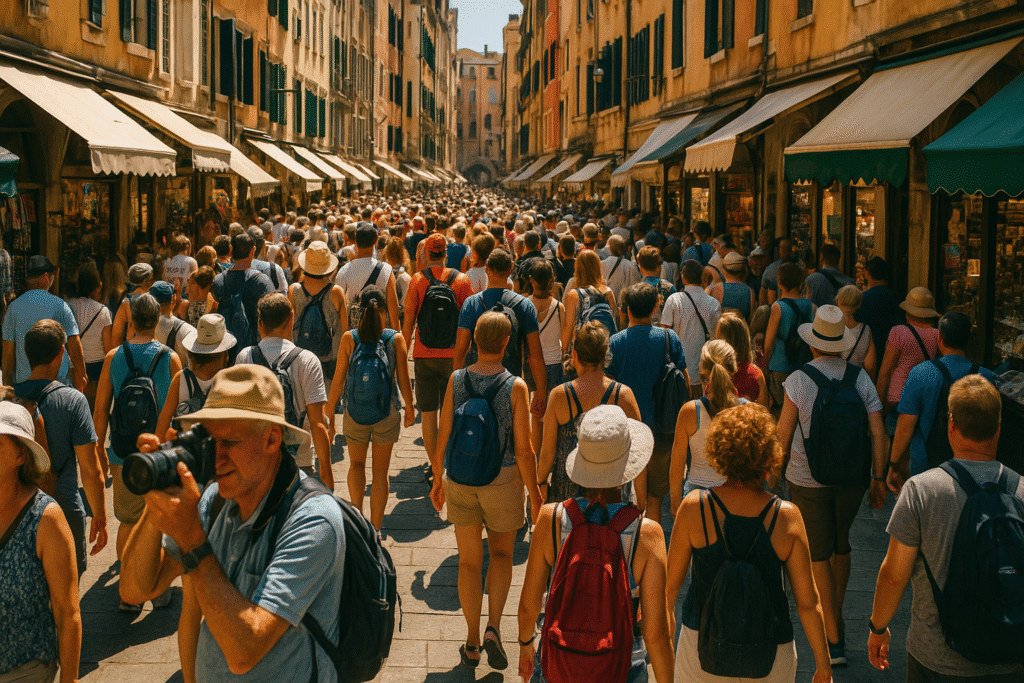
Overtourism isn’t just inconvenient for travelers, it can reshape entire communities. Residents in high-traffic destinations often face:
Rising Housing Costs
Short-term rental demand pushes long-term residents out of city centers, as seen in Barcelona and Lisbon.
Environmental Degradation
Beaches, coral reefs, wildlife habitats, and mountains suffer when visitor numbers exceed ecological limits.
Learn how to avoid harmful spots and choose responsible experiences with our Sustainable Winter Travel Guide.
Cultural Distortion
Traditional customs and authentic local experiences can fade when tourism becomes the main economic driver.
Infrastructure Strain
Public transit, waste systems, and local services must handle far more people than they were designed for.
When travelers understand these impacts, they can make more thoughtful choices and support destinations that prioritize sustainable, community-first tourism.
How Governments and Destinations Are Responding to Overtourism
1. Visitor Caps and Daily Quotas
Machu Picchu, Maya Bay, Borobudur, and others now enforce strict daily entry limits based on conservation studies.
2. Mandatory Reservation Systems
Timed-entry systems help regulate visitor flow. Even free sites like Kyoto’s popular temples are testing reservation models.
3. Higher Tourist Taxes
Amsterdam leads the world with one of the highest tourist taxes, designed to reduce crowding and fund sustainability initiatives.
See how other destinations are following this trend in our guide on How Sustainable Tourism Is Evolving.
4. Preservation and Regeneration Projects
Many governments are planting new reefs, restoring old temples, reinforcing walking paths, and protecting cultural landmarks.
5. Promotion of Alternative Destinations
Countries are encouraging travelers to explore lesser-known regions, a strategy that benefits both tourists and local economies.
To discover incredible new places that avoid tourist crowds, visit our Top Emerging Destinations guide.
How Overtourism Influences Traveler Experience
Tourists themselves feel the effects:
Long lines and overcrowded attractions
Higher prices for food, transportation, and accommodation
Reduced availability of hotels and experiences
Inauthentic, commercialized activities
Environmental degradation that affects natural beauty
Choosing your destinations wisely is the best way to ensure an enjoyable travel experience and it supports responsible travel at the same time.
Overtourism in 2026: Destinations Most Affected
Some places continue to struggle with overtourism more than others. Based on international data and reports from organizations such as the UN World Tourism Organization (UNWTO) and World Travel & Tourism Council (WTTC), these locations remain high-risk for crowding:
Heavily Affected Cities
Venice, Italy
Barcelona, Spain
Kyoto, Japan
Dubrovnik, Croatia
Reykjavik, Iceland
Amsterdam, Netherlands
Natural Sites Under Pressure
Mount Fuji
Plitvice Lakes
Yellowstone National Park
Maya Bay
Komodo National Park
Islands Facing Ecological Strain
Bali
Santorini
Phuket
Maldives
For alternatives, see our guide to Secret Beaches in Thailand for peaceful destinations without the crowds.
How Travelers Can Help Reduce Overtourism in 2026
The good news: travelers can make a major impact with small, intentional choices. Below are meaningful actions any traveler can take.
1. Travel Off-Season or Shoulder Season
One of the easiest ways to fight overtourism is to avoid peak months.
Examples:
Visit Paris in October–November instead of June–August
Explore Bali in January–February instead of July–September
Visit Canadian Rockies in May or September instead of midsummer
You can use weather-optimized travel guides like the Best Time to Visit Bali Guide to help you choose sustainable dates.
2. Choose Alternative Destinations
Instead of flocking to the same viral spots, explore cities and regions that welcome more visitors.
For inspiration, browse our Top Adventure Travel Destinations and discover exciting regions outside typical tourist hotspots.
3. Support Locally Owned Businesses
Overtourism makes global franchises flourish while local businesses struggle. You can help by:
Eating at family-run restaurants
Staying in locally owned guesthouses
Purchasing handmade products
Joining tours run by local guides
Even coffee shops and street food vendors benefit when you choose local over chain stores.
4. Respect Local Culture and Rules
Many destinations have community-led rules to protect the environment, such as:
No-drone zones
Restricted access to sacred sites
Bans on single-use plastics
Dress codes in religious areas
Your responsible behavior helps preserve culture and minimizes negative tourism impacts.
5. Limit Your Environmental Footprint
Reduce your impact by:
Using refillable water bottles
Choosing eco-lodges
Packing light
Using public transportation
Walking or biking
Avoiding unnecessary flights
Our guide to Eco-Friendly Outdoor Activities offers great low-impact travel ideas.
6. Book Sustainable Accommodation
Eco-certified lodges and hotels help reduce overtourism by investing in:
Water conservation
Energy efficiency
Waste reduction
Local hiring
Community programs
Look for certifications such as Green Key, EarthCheck, and GSTC.
7. Avoid Peak-Time Attractions
If you’re visiting popular destinations, try:
Early morning visits
Late afternoon or evening visits
Time-slot reservations
Alternative viewpoints
This not only reduces crowding but also enhances your experience.
8. Educate Yourself Before You Travel
Stay informed about local concerns, cultural rules, and environmental challenges.
You can start with sustainability-focused resources:
UNWTO Sustainable Development Program (DoFollow)
https://www.unwto.org/sustainable-developmentGlobal Sustainable Tourism Council (GSTC) (DoFollow)
https://www.gstcouncil.orgWorld Travel & Tourism Council – Sustainability Reports (DoFollow)
https://wttc.org
Education leads to better decision-making which directly reduces overtourism impacts.
The Future of Overtourism: What 2026 and Beyond Look Like
As we move into 2026, experts predict:
1. Increased Use of Artificial Intelligence in Trip Planning
AI-generated travel itineraries will spread visitors across multiple regions, not just major hotspots.
2. More Strict Visitor Management
Expect to see more reservation-only access, especially at UNESCO sites and fragile ecosystems.
3. A Rise in Regenerative Tourism
Regenerative travel goes beyond “doing no harm”; it leaves destinations better than before by restoring ecosystems and supporting local culture.
4. Government-Driven Decentralization
Countries will promote overlooked destinations to relieve pressure on overcrowded cities.
5. Changing Traveler Preferences
More travelers now look for slow travel, rural tourism, eco-lodges, and authentic experiences, all of which help reduce overtourism.
Final Thoughts: What Travelers Can Do About Overtourism in 2026
Overtourism remains a global challenge, but it’s one that individual travelers have the power to influence. By choosing alternate destinations, supporting local communities, respecting cultural and environmental rules, and traveling during off-peak seasons, you contribute to a healthier and more balanced tourism future.





 English