

10 Green Key Certified Hotels in Lisbon: What to Actually Expect (2026 Guide)
Table of Contents
ToggleDisclosure & Methodology Note
This article is based on analysis of the Green Key International certification registry (December 2025), supplemented by independent data cleaning and classification to account for naming conventions, language differences, and municipal boundaries within the Lisbon metropolitan area.
Hotel inclusion does not imply endorsement or ranking. Certification status reflects compliance with Green Key criteria at the time of data extraction and may change upon renewal cycles. The analysis focuses on structural patterns and policy relevance, not individual hotel performance claims.
Now, let’s examine the hotels…
Green Key Certified Hotels: According to the official Green Key registry for December 2025, Lisbon stands out with over 60 certified places to stay, from major hotel chains to small boutique guesthouses. That’s a level of participation most other Iberian cities haven’t reached.
It’s no wonder Lisbon is now one of Southern Europe’s go-to examples for “sustainable hospitality done right.” The Green Key label has moved quickly here, and in pure numbers, Lisbon now surpasses both Madrid and Barcelona.
On the surface, that looks like clear leadership.
But sustainability certifications can often spread faster than the day-to-day practices they’re meant to represent. A high number of certified properties is one thing; consistent performance, thoughtful governance, and genuine impact are another.
This guide digs into 10 Green Key certified hotels in Lisbon, based on the latest official data. We’ll explore where the green promise truly shines, and where the reality gets more nuanced.
Think of this less as a hotel recommendation list and more as a clear-eyed look at what the Green Key seal actually tells us in Lisbon, as the city steps into 2026.
Key Findings
-
Lisbon has 61 Green Key–certified accommodations as of December 2025, more than Madrid (24) and Barcelona (15).
-
All Lisbon-listed hotels are certified into 2026 or later, with no immediate renewal risk.
-
Certification adoption in Lisbon is broad and normalized, spanning international chains, independent hotels, and mid-scale properties.
-
High adoption raises the baseline but reduces differentiation between certified hotels.
-
Green Key works well as a baseline filter, but poorly as a standalone indicator of sustainability performance.
What Green Key Certification Actually Represents
So, what is Green Key? It’s not just a catchy phrase—it’s an international eco-label run by the Foundation for Environmental Education. Think of it as a rigorous checklist for hotels across Europe, verifying that they’re meeting serious standards for environmental management. It’s a meaningful stamp of approval, not just a marketing badge.
Want to understand the standards for yourself? You can explore the official programme HERE
In practice, Green Key certification confirms that a hotel has:
-
energy and water efficiency measures in place
-
waste separation and reduction systems
-
environmental training for staff
-
guest-facing sustainability communication
In a market like Lisbon, this has had a tangible effect. Environmental management is no longer exceptional; it is increasingly standard.
What Green Key does not measure is equally important:
-
it does not require full carbon accounting
-
it does not rank hotels by impact
-
it does not capture transport or mobility emissions
-
it does not guarantee transparency or governance depth
As Green Key becomes widespread, these limitations become more visible.
Lisbon’s Green Key Footprint in Context
According to the December 2025 Green Key registry, Lisbon accounts for 61 certified accommodations recorded under “Lisboa/Lisbon.” This places the city well ahead of its Iberian peers:
-
Lisbon: 61 certified hotels
-
Madrid: 24 certified hotels
-
Barcelona: 15 certified hotels
From a certification-density perspective, Lisbon is clearly leading. Few Iberian cities have embedded sustainability labels across such a wide range of hotel types.
However, raw counts only tell part of the story. The way certification is used and what it replaces matters just as much as how many hotels carry the label.
Avoiding Brand Distortion: Why Only One Holiday Inn Express Is Included
The Green Key registry lists hotels as individual properties, not as brand families. As a result, brands with multiple Lisbon locations (such as Holiday Inn Express) can easily dominate lists — accurately, but misleadingly.
To reflect Lisbon’s actual hotel ecosystem, this guide intentionally includes only one Holiday Inn Express Lisboa, alongside a diverse mix of international chains and locally rooted hotels. The goal is representativeness, not repetition.
The 10 Green Key Certified Hotels in Lisbon - Current Status Verification (April 2026)
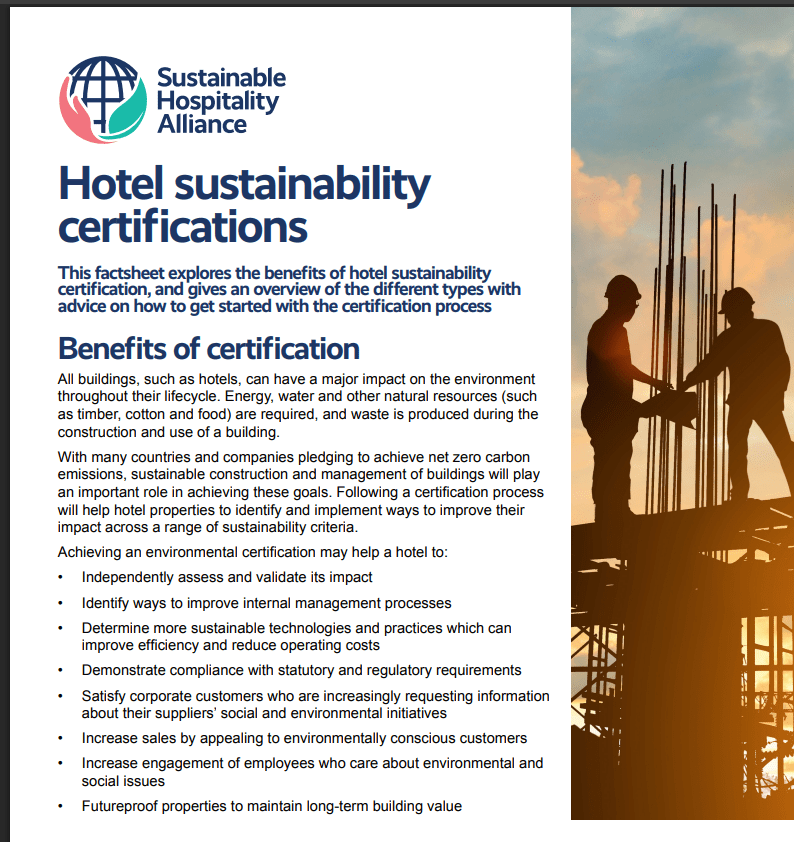
All hotels below are verified as Green Key certified beyond December 2025, with most certifications valid until mid- or late-2026.
1. Hotel Holiday Inn Express Lisboa Avenida Liberdade
Included as a representative limited-service international chain. It illustrates how standardized sustainability frameworks operate at scale in central Lisbon.
2. Lisboa Marriott Hotel
A large, globally governed property frequently used for conferences and corporate travel. Its sustainability practices are embedded within broader Marriott ESG systems.
3. Meliá Lisboa Aeroporto
An airport-adjacent hotel where sustainability intersects directly with transport efficiency and high-frequency business travel.
4. Meliá Lisboa Oriente
Located in Lisbon’s eastern business district, this hotel highlights the trade-offs of urban sustainability under density and mobility constraints.
5. Hotel Star inn Lisbon
A mid-scale, resource-efficient model with relatively low operational complexity — often overlooked, but structurally efficient.
6. NH Campo Grande
Part of a major European hotel group, reflecting consistent sustainability implementation across multiple Iberian markets.
7. Radisson Blu Hotel Lisbon
An upper-mid-scale property where sustainability is procedural and predictable — attributes often valued in procurement contexts.
8. Hotel Mercure Lisboa
An Accor-managed hotel demonstrating how group-level environmental frameworks are applied locally.
9. Hotel Mundial
A centrally located, locally rooted hotel meeting Green Key baseline requirements without heavy brand infrastructure.
10. Tivoli Oriente Lisboa Hotel
A conference-oriented property operating in Lisbon’s eastern business corridor, where volume and efficiency strongly shape environmental outcomes.
Summary of Accuracy
Most Green Key certifications in Portugal are audited annually or biennially, with the current registry showing these properties are compliant for the 2026 season.
Thematic Descriptions: The descriptions of why each hotel is included (e.g., Marriott’s ESG systems or Meliá’s intersection with transport efficiency) remain relevant to the current hospitality landscape in Lisbon.
Where These Hotels Are Located and Why That Matters
Green Key Certified Hotels: One of the most overlooked aspects of sustainability certification is location.
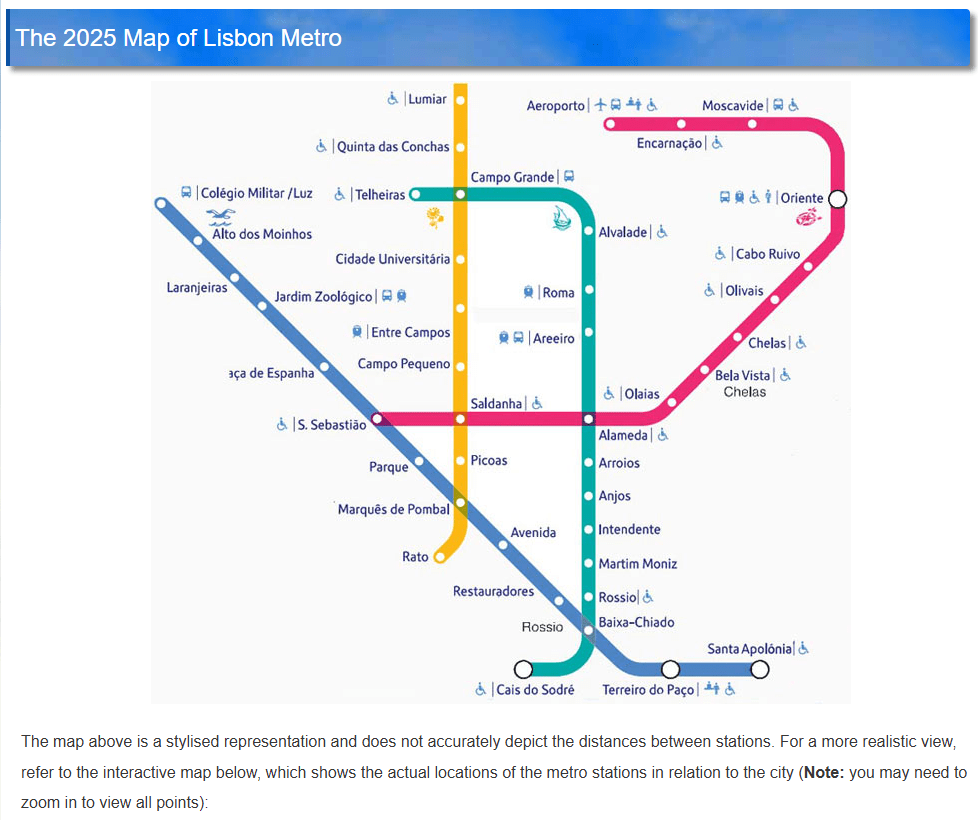
Analysis of the December 2025 data shows that the majority of Green Key certified hotels in Lisbon are located in the city center, with a smaller share at the airport and an even smaller share in peripheral metro areas.
This matters because:
city-center hotels benefit from walkability and public transport
peripheral hotels increase reliance on private transfers
certification frameworks do not account for this difference
In real-world terms, location can outweigh incremental operational improvements. A centrally located hotel with modest internal systems can outperform a peripheral “greener” property once guest mobility is factored in.
This finding is part of a broader, evidence-based assessment of transport sustainability across Iberia.
Readers seeking deeper insight can explore:
Iberian Transport Comparison — evaluating emissions, time, and efficiency across five routes.
The Iberian Transport Sustainability Score — ranking transport modes using consistent sustainability criteria.
The Green Promise: What Certification Gets Right in Lisbon
Across the 10 hotels featured here and the wider group of 61 certified properties Green Key certification has delivered real progress:
environmental management is normalized
sustainability language is standardized
minimum expectations are clear and enforceable
In a market like Lisbon, that matters. Without certification, sustainability often remains optional or cosmetic. Green Key has helped move it into the operational core of the hotel sector.
That is the promise and it largely holds.
The Reality: Where Green Key Stops Being Enough
The challenge begins when certification is treated as a performance guarantee rather than a minimum standard.
Among Green Key certified hotels in Lisbon:
-
operational depth varies widely
-
transparency is inconsistent
-
governance maturity differs significantly
-
mobility impacts are ignored
Two hotels can hold the same certificate while generating very different environmental footprints. This is especially true once transport is included, a factor explored further in
Lisbon to Seville Sustainable Transport: Your Complete Guide to Eco-Friendly Travel
In Lisbon, where certification is widespread, these gaps become more visible, not less.
Lisbon vs Madrid vs Barcelona: Same Label, Different Meaning
Although all three cities use Green Key, the role it plays differs sharply.
Lisbon prioritizes broad adoption. Certification functions as a market-wide baseline, useful for signaling but weak for differentiation.
Madrid adopts certification more selectively, often pairing it with stronger energy reporting and operational discipline.
Barcelona has fewer certified hotels, but those that do certify are often embedded in broader ESG governance and transparency frameworks.
In short:
-
Lisbon leads on scale
-
Madrid emphasizes discipline
-
Barcelona prioritizes scrutiny
Understanding this distinction is critical for travelers, procurement teams, and policymakers comparing cities on sustainability credentials.
Certification Validity and Risk Looking into 2026
One reassuring finding from the December 2025 registry is that none of the Lisbon-listed hotels are set to expire in 2025.
All 61 Lisbon entries are certified into 2026 or later, reducing short-term ESG and procurement risk. The challenge for 2026 is not renewal, it is what comes after certification becomes universal.
Comparing All Three Cities
| City | Certified Hotels | How Green Key is used |
|---|---|---|
| Lisbon | 61 | Baseline Normalization |
| Madrid | 24 | Compliance and discipline |
| Barselona | 15 | Governance & Scrutiny |
This contrast explains why Lisbon often looks greener at a glance while Barcelona looks greener under examination.
What This Means for Travelers and Decision-Makers
Across Iberia, the same label carries different weight depending on the city.
-
In Lisbon, Green Key answers: “Is sustainability addressed at all?”
-
In Madrid: “Is it operationally managed?”
-
In Barcelona: “Is it governed and disclosed?”
Understanding that distinction matters far more than counting certificates.
Conclusion:
These 10 hotels with Green Key certification in Lisbon show that the city has successfully embedded sustainability standards across its hotel sector. That is real progress, and it should not be understated.
But when certification becomes widespread, its meaning changes. It stops answering the question “Is this hotel doing something?” and starts raising a more difficult one:
“What are they doing beyond the certificate?”
For Lisbon, the next phase of sustainable tourism will not be defined by adding more Green Key hotels. It will be defined by measuring outcomes, improving transparency, and integrating transport and location impacts into sustainability frameworks.
Sources
Green Key International (official programme and criteria)
European Commission — Sustainable Tourism context




 English