
Green Key Certified Hotels in Madrid and Barcelona: The Good Reason Behind Fewer Green Certifications (2026 Guide)
Table of Contents
ToggleDisclosure & Methodology
This analysis is based on the Green Key International certification registry (December 2025). Certification status and counts for Madrid and Barcelona were verified against official programme records published by the Foundation for Environmental Education.
Green Key certification is treated as a baseline sustainability indicator, not a performance ranking. Differences in certification levels are interpreted alongside local regulation, governance, and urban context. Hotel inclusion does not imply endorsement, and certification status may change upon renewal.
Now, let’s examine the hotels…
Green Key Certified Hotels in Madrid and Barcelona are often misunderstood when viewed through the same lens used for Lisbon or other Southern European cities. At first glance, the numbers seem to tell a simple story: fewer certified hotels, slower adoption, and less visible promotion of sustainability labels.
According to the Green Key International registry (December 2025), Madrid lists 24 Green Key certified hotels, while Barcelona lists just 15. Compared to Lisbon’s 61 certified properties, both cities appear to fall far behind.
That conclusion is understandable. It is also misleading.
This guide takes a data-driven look at Green Key Certified Hotels in Madrid and Barcelona, explaining why lower certification density can indicate higher scrutiny, stronger governance, and different sustainability incentives, rather than weaker performance. The analysis draws on official certification registries, European policy guidance, and Iberian transport data to separate signal from noise as we move into 2026.
What the Data Actually Says
Green Key Certified Hotels in Madrid and Barcelona are fewer in number, but often operate under higher regulatory and governance pressure.
Certification plays a different role in each city:
Lisbon → baseline normalization
Madrid → operational discipline
Barcelona → governance confirmation
Certification counts alone are a poor proxy for sustainability outcomes, especially in dense, well-connected cities.
Transport access and urban context materially affect real-world impact but are not measured by Green Key.
For ESG, procurement, and policy audiences, how certification is used locally matters more than how many hotels carry it.
What Green Key Certification Measures and What It Does Not
Green Key is an international eco-label administered by the Foundation for Environmental Education, designed to certify hotels that meet defined environmental management standards
official programme reference: Green Key Global.
According to Green Key programme criteria, certification requires hotels to demonstrate:
energy and water efficiency measures
waste reduction and sorting systems
environmental management procedures
staff training and guest awareness initiatives
see criteria overview: Green Key Global
What Green Key does not require is equally important:
absolute carbon footprint disclosure
transport or guest mobility emissions
supply-chain sustainability reporting
comparative ranking between certified hotels
As a result, Green Key Certified Hotels in Madrid and Barcelona must be interpreted within their local regulatory, urban, and market context, not judged solely by the presence or absence of the label.
Green Key Certified Hotels in Madrid and Barcelona vs Lisbon: A Context Problem
Raw certification counts are often used as shorthand for sustainability leadership. In Iberia, this shortcut breaks down quickly.
According to the December 2025 Green Key registry:
Lisbon: 61 certified hotels
Madrid: 24 certified hotels
Barcelona: 15 certified hotels
On paper, Lisbon looks like the clear leader. In practice, certification density reflects how the label is used, not how sustainability performs.
For a Lisbon-specific analysis, see:
10 Green Key Certified Hotels in Lisbon: What to Actually Expect (2026 Guide)
That comparison reveals an important pattern: when certification becomes widespread, it shifts from differentiation to baseline compliance.
Green Key Certified Hotels in Madrid: Discipline Before Labels
Why Madrid Has Fewer Green Key Certified Hotels
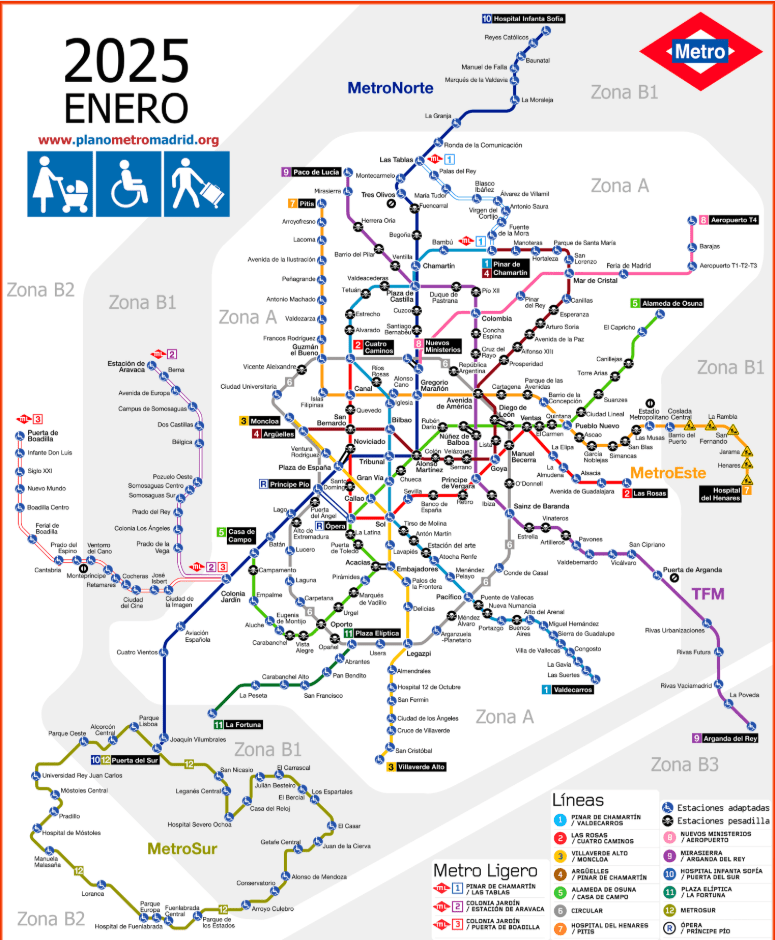
Madrid’s hotel market operates under strong national and municipal regulatory frameworks, particularly around building efficiency and energy management. Many large hotels already comply with requirements that overlap with or exceed Green Key standards.
As a result, certification in Madrid is often optional rather than necessary as a signaling mechanism.
According to Spanish and EU sustainability guidance, energy performance and building compliance are increasingly regulated regardless of voluntary labels
(European Commission sustainable tourism framework:
https://single-market-economy.ec.europa.eu/sectors/tourism/sustainable-tourism_en).
What Green Key Signals in Madrid
When a hotel in Madrid does pursue Green Key certification, it typically indicates:
centralized operational governance
existing energy monitoring systems
alignment with national reporting obligations
In this context, Green Key Certified Hotels in Madrid tend to cluster among hotels that already operate under structured compliance regimes. The certified pool is smaller, but internally consistent.
Green Key Certified Hotels in Barcelona: Selective Adoption Under Scrutiny
Barcelona’s Sustainability Environment Is Different
Barcelona operates under higher public scrutiny of tourism impacts than almost any other Iberian city. Sustainability claims are regularly challenged by:
municipal policy
civic pressure
investor expectations
In this environment, certification is rarely pursued for visibility alone.
Why Barcelona’s Certification Count Is Low
According to local sustainability reporting trends and the Green Key registry, Barcelona’s lower certification count reflects:
selective adoption
preference for integrated ESG frameworks
higher expectations around transparency
For Green Key Certified Hotels in Barcelona, certification often functions as confirmation of governance maturity, not as a baseline requirement.
This makes the certified pool smaller, but harder to misinterpret.
Why Certification Counts Alone Mislead
One of the most persistent errors in sustainable tourism analysis is assuming that more certifications equal better outcomes.
In reality:
High certification density raises baseline standards
Low certification density often reflects higher entry thresholds
Neither approach is inherently superior. The mistake is treating them as equivalent.
This matters particularly when comparing Green Key Certified Hotels in Madrid and Barcelona to those in Lisbon without adjusting for governance and regulation.
The Missing Variable: Transport and Urban Context
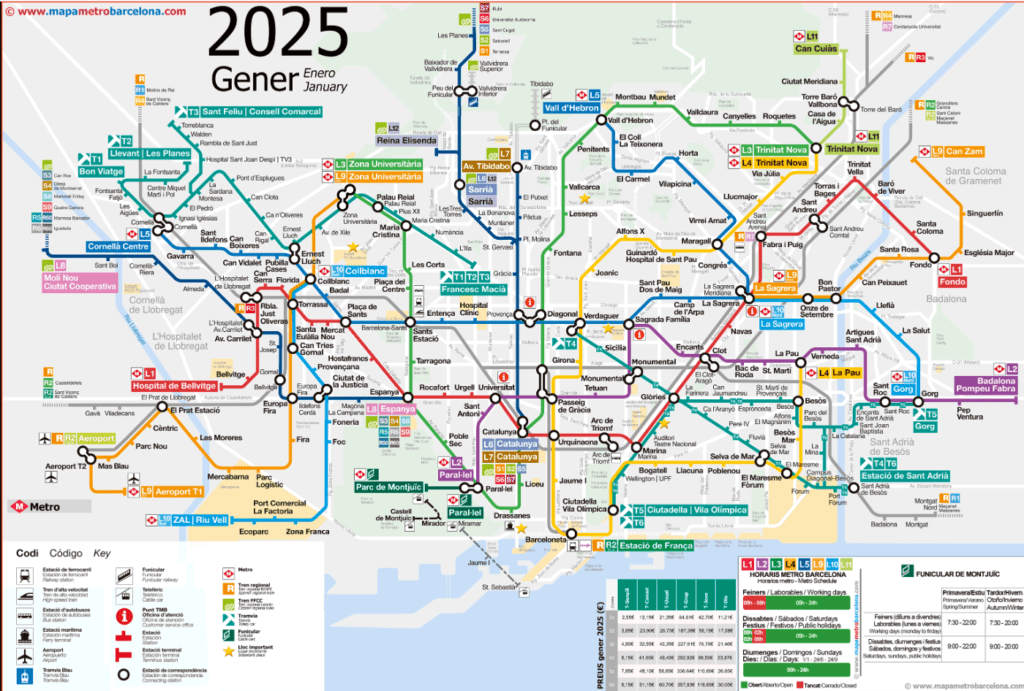
Green Key certification focuses on hotel operations. It does not account for how guests move to, from, and around hotels, often the largest source of emissions in urban travel.
In Madrid and Barcelona:
public transport coverage is extensive
walkability in central districts is high
car dependency is lower than in peripheral zones
As shown in broader Iberian mobility research, transport choices can outweigh accommodation differences in total trip impact. See:
A centrally located, uncertified hotel in Barcelona may outperform a peripheral, fully certified property once mobility is considered, a reality certification frameworks do not capture.
What This Means for Travelers
For individual travelers, the implications are subtle but important:
In Madrid, the absence of Green Key does not automatically signal weak sustainability practices.
In Barcelona, certified hotels are often those prepared for deeper scrutiny.
In both cities, location and transport access may matter more than certification status.
Understanding how Green Key Certified Hotels in Madrid and Barcelona function locally leads to better-informed choices.
What This Means for ESG and Procurement Teams
For corporate travel, ESG, and institutional audiences, the implications are clearer.
The Risk of Over-Filtering
Applying Green Key as a strict filter across all cities can:
exclude high-performing hotels in Madrid
misrank hotels in Barcelona
overvalue baseline compliance in Lisbon
A More Accurate Interpretation
Green Key should be treated as:
a baseline filter in Lisbon
a supporting signal in Madrid
a confirmation marker in Barcelona
Uniform application creates analytical error.
Connecting Hotel Sustainability to Transport Decisions

Hotel sustainability cannot be separated from travel patterns.
Routes such as Lisbon to Seville illustrate how transport mode selection can dominate total footprint, regardless of accommodation choice. See:
Lisbon to Seville Sustainable Transport: Your Complete Guide to Eco-Friendly Travel
This reinforces the need to evaluate hotels within the full travel system, not in isolation.
Looking Ahead to 2026: What Changes and What Doesn’t
For Green Key Certified Hotels in Madrid and Barcelona, the coming years are likely to bring:
stronger pressure for transparency
tighter alignment with EU sustainability reporting
increased focus on system-level impacts
Green Key will remain relevant — but insufficient as a standalone indicator.
Final Take: Scrutiny Beats Scale
Green Key Certified Hotels in Madrid and Barcelona are fewer in number not because sustainability is weaker, but because certification is used differently in cities where governance, regulation, and scrutiny already set a higher bar.
Lisbon’s achievement is normalization.
Madrid’s strength is discipline.
Barcelona’s advantage is scrutiny.
Counting certificates misses the point. Understanding context does not.
Sources
Green Key International — Programme and Registry
European Commission — Sustainable Tourism Framework






 English